บทที่ 10/10 · 21 คำ · จำได้แล้ว 0
Nursing care
การพยาบาล
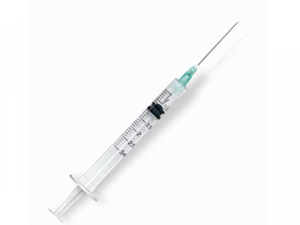
การฉีดยา, การฉีด
putting a medicine or other liquid into the body using a needle and syringe
The nurse gave him an injection of painkiller in the arm.
พยาบาลฉีดยาแก้ปวดที่แขนให้เขา
Insulin injections are given under the skin of the abdomen.
คำพ้องความหมายshotjabinoculationvaccinationคำตรงข้ามoral medicationtopical treatmentหม้อนอน, กระโถนรองขับถ่าย
a container used as a toilet by a patient who cannot get out of bed
The nurse helped the elderly patient onto the bedpan.
พยาบาลช่วยพยุงผู้ป่วยสูงอายุขึ้นนั่งบนหม้อนอน
Bedpans must be cleaned and disinfected after each use.
คำพ้องความหมายinvalid panchamber potคำตรงข้ามtoiletcommodeแคนนูลา, เข็มให้น้ำเกลือ
a thin plastic tube put into a vein so that fluids or medicines can be given
A cannula was inserted into the back of her hand.
มีการใส่แคนนูลาที่หลังมือของเธอ
Replace the cannula if the site becomes red or painful.
คำพ้องความหมายtubecatheterdrainคำตรงข้ามNoneสายสวน, สายสวนปัสสาวะ
a thin flexible tube put into the body, especially into the bladder to drain urine
A urinary catheter was inserted to measure his urine output.
มีการใส่สายสวนปัสสาวะเพื่อวัดปริมาณปัสสาวะของเขา
Remove the catheter as soon as it is no longer needed to prevent infection.
คำพ้องความหมายtubeprobecannulaคำตรงข้ามNoneอุปกรณ์ป้องกันส่วนบุคคล, PPE
personal protective equipment: gloves, masks, gowns and other items that protect health workers from infection
Staff must wear full PPE when caring for patients with tuberculosis.
เจ้าหน้าที่ต้องสวมชุด PPE ครบชุดเมื่อดูแลผู้ป่วยวัณโรค
Remove PPE carefully to avoid contaminating your hands.
คำพ้องความหมายprotective gearsafety equipmentคำตรงข้ามunprotectedexposedสุขอนามัยของมือ, การทำความสะอาดมือ
cleaning the hands with soap and water or an alcohol hand rub to remove germs
Hand hygiene is the most effective way to prevent hospital infections.
สุขอนามัยของมือเป็นวิธีที่มีประสิทธิภาพที่สุดในการป้องกันการติดเชื้อในโรงพยาบาล
Perform hand hygiene before and after touching each patient.
คำพ้องความหมายHand washingHand sanitizationคำตรงข้ามHand contaminationPoor hygieneการควบคุมการติดเชื้อ, การป้องกันและควบคุมการติดเชื้อ
the measures used in healthcare to prevent infections spreading between patients and staff
The infection control team investigates every case of hospital-acquired infection.
ทีมควบคุมการติดเชื้อสอบสวนผู้ป่วยทุกรายที่ติดเชื้อในโรงพยาบาล
Strict infection control is needed in the isolation ward.
คำพ้องความหมายdisease controlasepsishygiene managementคำตรงข้ามdisease spreadcontaminationการพยาบาล, การดูแลโดยพยาบาล
the professional care nurses give to patients, including monitoring, treatment and help with daily needs
Patients who have had a stroke often need round-the-clock nursing care.
ผู้ป่วยที่เป็นโรคหลอดเลือดสมองมักต้องได้รับการพยาบาลตลอด 24 ชั่วโมง
The quality of nursing care strongly affects patient recovery.
การตรวจเยี่ยมผู้ป่วยใน, ราวด์วอร์ด
a regular visit by doctors and nurses to each patient on a ward to review progress and plan care
The morning ward round starts at eight o'clock.
การตรวจเยี่ยมผู้ป่วยรอบเช้าเริ่มเวลา 08.00 น.
Changes to treatment were decided during the ward round.
การส่งเวร, ส่งเวร
passing information and responsibility for patients from one shift or team to the next
Every nurse attends the shift handover at seven in the morning and evening.
พยาบาลทุกคนเข้าร่วมการส่งเวรเวลา 07.00 น. และ 19.00 น.
A clear handover reduces the risk of medication errors.
การให้สารน้ำทางหลอดเลือดดำ, ให้น้ำเกลือ
the slow delivery of fluid or medicine directly into a vein through a drip
The nurse set up an IV infusion of normal saline.
พยาบาลเตรียมให้น้ำเกลือนอร์มัลซาไลน์ทางหลอดเลือดดำ
Check the IV infusion site regularly for swelling or redness.
สายให้อาหารทางจมูก, NG tube
a tube passed through the nose into the stomach to give food or medicine or to remove stomach contents
A nasogastric tube was placed because he could not swallow safely.
ผู้ป่วยได้รับการใส่สายให้อาหารทางจมูกเพราะกลืนได้ไม่ปลอดภัย
Check the position of the nasogastric tube before each feed.
การดูแลบาดแผล, การทำแผล
the cleaning, dressing and monitoring of a wound to prevent infection and help healing
Good wound care reduces the risk of surgical site infection.
การดูแลบาดแผลที่ดีช่วยลดความเสี่ยงของการติดเชื้อที่แผลผ่าตัด
The nurse taught her how to do wound care at home.
แผลกดทับ
damage to the skin and tissue caused by long pressure on one area, common in bedridden patients; a bedsore
Turn bedridden patients every two hours to prevent pressure ulcers.
พลิกตะแคงตัวผู้ป่วยติดเตียงทุก 2 ชั่วโมงเพื่อป้องกันแผลกดทับ
A pressure ulcer developed on his lower back after two weeks in bed.
สมดุลสารน้ำ, ดุลสารน้ำเข้า-ออก
the difference between the fluid a patient takes in and the fluid lost, recorded to avoid dehydration or overload
Record all drinks and urine output on the fluid balance chart.
บันทึกเครื่องดื่มและปริมาณปัสสาวะทั้งหมดลงในแบบบันทึกสมดุลสารน้ำ
A positive fluid balance may worsen heart failure.
เทคนิคปราศจากเชื้อ, เทคนิคปลอดเชื้อ
a set of procedures used to prevent germs from entering the body during medical procedures
Use aseptic technique when changing a central line dressing.
ใช้เทคนิคปราศจากเชื้อเมื่อเปลี่ยนผ้าปิดแผลของสายสวนหลอดเลือดดำส่วนกลาง
Aseptic technique reduces the risk of infection after procedures.
การป้องกันการพลัดตกหกล้ม
actions taken to reduce the risk of patients falling and injuring themselves in hospital
Elderly patients are assessed for fall risk and fall prevention on admission.
ผู้ป่วยสูงอายุจะได้รับการประเมินความเสี่ยงต่อการพลัดตกหกล้มและการป้องกันตั้งแต่แรกรับ
Bed rails and non-slip socks are part of our fall prevention program.
สุขอนามัยส่วนบุคคล, สุขอนามัยส่วนตัว
keeping the body clean, including washing, mouth care and changing clothes, to stay healthy
Nurses help dependent patients with their personal hygiene.
พยาบาลช่วยดูแลสุขอนามัยส่วนบุคคลให้ผู้ป่วยที่ช่วยเหลือตัวเองไม่ได้
Poor personal hygiene increases the risk of skin infections.