Bài 10/10 · 21 từ · đã thuộc 0
Nursing care
Chăm sóc điều dưỡng
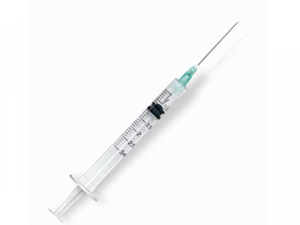
tiêm, mũi tiêm
putting a medicine or other liquid into the body using a needle and syringe
The nurse gave him an injection of painkiller in the arm.
Điều dưỡng tiêm thuốc giảm đau vào cánh tay anh ấy.
Insulin injections are given under the skin of the abdomen.
Insulin được tiêm dưới da bụng.
Đồng nghĩashotjabinoculationvaccinationTrái nghĩaoral medicationtopical treatmentbô dẹt, bô vệ sinh tại giường
a container used as a toilet by a patient who cannot get out of bed
The nurse helped the elderly patient onto the bedpan.
Điều dưỡng giúp cụ già ngồi lên bô dẹt.
Bedpans must be cleaned and disinfected after each use.
Bô dẹt phải được rửa sạch và khử khuẩn sau mỗi lần dùng.
Đồng nghĩainvalid panchamber potTrái nghĩatoiletcommodekim luồn, ống thông
a thin plastic tube put into a vein so that fluids or medicines can be given
A cannula was inserted into the back of her hand.
Kim luồn được đặt ở mu bàn tay cô ấy.
Replace the cannula if the site becomes red or painful.
Thay kim luồn nếu vị trí đặt bị đỏ hoặc đau.
Đồng nghĩatubecatheterdrainTrái nghĩaNoneống thông, sonde
a thin flexible tube put into the body, especially into the bladder to drain urine
A urinary catheter was inserted to measure his urine output.
Người bệnh được đặt ống thông tiểu để đo lượng nước tiểu.
Remove the catheter as soon as it is no longer needed to prevent infection.
Rút ống thông ngay khi không còn cần để phòng nhiễm khuẩn.
Đồng nghĩatubeprobecannulaTrái nghĩaNonephương tiện phòng hộ cá nhân, PPE
personal protective equipment: gloves, masks, gowns and other items that protect health workers from infection
Staff must wear full PPE when caring for patients with tuberculosis.
Nhân viên phải mặc đầy đủ phương tiện phòng hộ khi chăm sóc người bệnh lao.
Remove PPE carefully to avoid contaminating your hands.
Cởi phương tiện phòng hộ cẩn thận để tránh làm nhiễm bẩn tay.
Đồng nghĩaprotective gearsafety equipmentTrái nghĩaunprotectedexposedvệ sinh tay
cleaning the hands with soap and water or an alcohol hand rub to remove germs
Hand hygiene is the most effective way to prevent hospital infections.
Vệ sinh tay là cách hiệu quả nhất để phòng nhiễm khuẩn bệnh viện.
Perform hand hygiene before and after touching each patient.
Vệ sinh tay trước và sau khi tiếp xúc với mỗi người bệnh.
Đồng nghĩaHand washingHand sanitizationTrái nghĩaHand contaminationPoor hygienekiểm soát nhiễm khuẩn
the measures used in healthcare to prevent infections spreading between patients and staff
The infection control team investigates every case of hospital-acquired infection.
Khoa kiểm soát nhiễm khuẩn điều tra mọi ca nhiễm khuẩn bệnh viện.
Strict infection control is needed in the isolation ward.
Khu cách ly cần kiểm soát nhiễm khuẩn nghiêm ngặt.
Đồng nghĩadisease controlasepsishygiene managementTrái nghĩadisease spreadcontaminationchăm sóc điều dưỡng
the professional care nurses give to patients, including monitoring, treatment and help with daily needs
Patients who have had a stroke often need round-the-clock nursing care.
Người bệnh sau đột quỵ thường cần được chăm sóc điều dưỡng suốt ngày đêm.
The quality of nursing care strongly affects patient recovery.
Chất lượng chăm sóc điều dưỡng ảnh hưởng lớn đến sự hồi phục của người bệnh.
đi buồng
a regular visit by doctors and nurses to each patient on a ward to review progress and plan care
The morning ward round starts at eight o'clock.
Buổi đi buồng sáng bắt đầu lúc tám giờ.
Changes to treatment were decided during the ward round.
Các thay đổi trong điều trị được quyết định trong buổi đi buồng.
bàn giao ca, giao ca
passing information and responsibility for patients from one shift or team to the next
Every nurse attends the shift handover at seven in the morning and evening.
Mọi điều dưỡng đều tham gia giao ca lúc bảy giờ sáng và bảy giờ tối.
A clear handover reduces the risk of medication errors.
Bàn giao ca rõ ràng giúp giảm nguy cơ sai sót về thuốc.
truyền dịch tĩnh mạch, truyền tĩnh mạch
the slow delivery of fluid or medicine directly into a vein through a drip
The nurse set up an IV infusion of normal saline.
Điều dưỡng truyền tĩnh mạch dung dịch natri clorid 0,9%.
Check the IV infusion site regularly for swelling or redness.
Kiểm tra vị trí truyền dịch thường xuyên để phát hiện sưng hoặc đỏ.
ống thông dạ dày
a tube passed through the nose into the stomach to give food or medicine or to remove stomach contents
A nasogastric tube was placed because he could not swallow safely.
Người bệnh được đặt ống thông dạ dày vì không nuốt an toàn được.
Check the position of the nasogastric tube before each feed.
Kiểm tra vị trí ống thông dạ dày trước mỗi lần cho ăn.
băng gạc, băng vết thương
a covering, such as gauze or a pad, put on a wound to protect it and help it heal
The dressing on the surgical wound is changed every two days.
Băng vết mổ được thay hai ngày một lần.
Wash your hands before and after changing a dressing.
Rửa tay trước và sau khi thay băng.
chăm sóc vết thương
the cleaning, dressing and monitoring of a wound to prevent infection and help healing
Good wound care reduces the risk of surgical site infection.
Chăm sóc vết thương tốt giúp giảm nguy cơ nhiễm khuẩn vết mổ.
The nurse taught her how to do wound care at home.
Điều dưỡng hướng dẫn cô ấy cách chăm sóc vết thương tại nhà.
loét do tì đè, loét do nằm lâu
damage to the skin and tissue caused by long pressure on one area, common in bedridden patients; a bedsore
Turn bedridden patients every two hours to prevent pressure ulcers.
Trở mình cho người bệnh nằm lâu hai giờ một lần để phòng loét do tì đè.
A pressure ulcer developed on his lower back after two weeks in bed.
Ông ấy bị loét do tì đè ở vùng thắt lưng sau hai tuần nằm tại giường.
cân bằng dịch vào ra, bilan dịch
the difference between the fluid a patient takes in and the fluid lost, recorded to avoid dehydration or overload
Record all drinks and urine output on the fluid balance chart.
Ghi tất cả lượng nước uống và nước tiểu vào phiếu theo dõi dịch vào ra.
A positive fluid balance may worsen heart failure.
Bilan dịch dương có thể làm suy tim nặng thêm.
tắm tại giường
washing a patient who cannot get out of bed, usually done by a nurse or caregiver
Nurses give a bed bath to patients in the ICU every morning.
Điều dưỡng tắm tại giường cho người bệnh ở khoa hồi sức mỗi sáng.
Check the skin for redness during the bed bath.
Kiểm tra da có vùng đỏ không trong lúc tắm tại giường.
vô khuẩn, vô trùng
completely free from bacteria and other living germs
Use sterile gloves when inserting a urinary catheter.
Dùng găng vô khuẩn khi đặt ống thông tiểu.
All surgical instruments must be sterile before use.
Mọi dụng cụ phẫu thuật phải vô khuẩn trước khi sử dụng.
kỹ thuật vô khuẩn
a set of procedures used to prevent germs from entering the body during medical procedures
Use aseptic technique when changing a central line dressing.
Áp dụng kỹ thuật vô khuẩn khi thay băng catheter tĩnh mạch trung tâm.
Aseptic technique reduces the risk of infection after procedures.
Kỹ thuật vô khuẩn giúp giảm nguy cơ nhiễm khuẩn sau thủ thuật.
phòng ngừa té ngã
actions taken to reduce the risk of patients falling and injuring themselves in hospital
Elderly patients are assessed for fall risk and fall prevention on admission.
Người bệnh cao tuổi được đánh giá nguy cơ ngã và biện pháp phòng ngừa té ngã khi vào viện.
Bed rails and non-slip socks are part of our fall prevention program.
Thanh chắn giường và tất chống trượt là một phần của chương trình phòng ngừa té ngã.
vệ sinh cá nhân
keeping the body clean, including washing, mouth care and changing clothes, to stay healthy
Nurses help dependent patients with their personal hygiene.
Điều dưỡng hỗ trợ vệ sinh cá nhân cho người bệnh không tự chăm sóc được.
Poor personal hygiene increases the risk of skin infections.
Vệ sinh cá nhân kém làm tăng nguy cơ nhiễm khuẩn da.