レッスン6/10 · 15語 · 覚えた単語 0
Mobility, walking aids and orthotics
移動、歩行補助具、装具
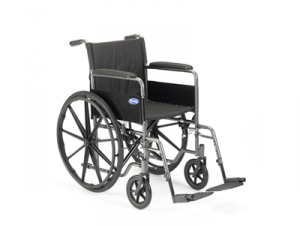
車いす, 車椅子
a chair with wheels used by people who cannot walk or have great difficulty walking
He uses a lightweight wheelchair after his spinal cord injury.
彼は脊髄損傷の後、軽量の車いすを使っています。
The occupational therapist checked that the wheelchair fitted through the bathroom door.
類義語invalid chairmobility aidwheelchair対義語able-bodiedambulatory義肢, プロテーゼ
an artificial body part, such as a leg, hand or joint, that replaces one that is missing or damaged
After his below-knee amputation, he learned to walk with a prosthesis.
膝下を切断した後、彼は義足で歩く練習をした。
The prosthesis was adjusted because the socket rubbed his skin.
類義語artificial limbreplacement limbprosthetic device対義語natural limboriginal limbスプリント, 副子, 装具
a rigid support fixed to a body part to keep it still, protect it or hold it in a good position
She wears a resting hand splint at night to prevent finger contractures.
彼女は指の拘縮を予防するため、夜間は安静用の手指スプリントを装着している。
The therapist made a custom thermoplastic splint for his wrist.
類義語supportbracebandagecast対義語none歩行器, 固定型歩行器
a light metal frame with four legs that a person holds and moves forward for support when walking
He can walk about 20 metres with a walking frame.
彼は歩行器を使って約20メートル歩くことができる。
Adjust the walking frame so that the handles are level with the wrists.
類義語walkerrollator松葉杖
a pair of long sticks placed under the arms or held at the forearm to take weight off an injured leg
He will need crutches for about six weeks after the ankle fracture.
足首の骨折後、約6週間は松葉杖が必要になる。
Check that the crutches are the right height before teaching stair climbing.
類義語supportassistanceaid対義語unsupportedunaidedindependent転倒予防, 転倒防止
actions taken to reduce the risk of patients falling and injuring themselves in hospital
Elderly patients are assessed for fall risk and fall prevention on admission.
高齢の患者は、入院時に転倒リスクと転倒予防についてアセスメントを受ける。
Bed rails and non-slip socks are part of our fall prevention program.
歩行訓練, 歩行練習
therapy that teaches a patient to walk safely and correctly again, often with aids or physical support
Gait training started in the parallel bars two days after surgery.
歩行訓練は、手術の2日後に平行棒内で開始された。
Treadmill gait training with body-weight support is used after spinal cord injury.
荷重, 体重負荷
the amount of body weight a patient is allowed to put through an injured or operated leg
The surgeon allowed partial weight-bearing on the left leg for six weeks.
外科医は、左脚に6週間の部分荷重を許可した。
Teach the patient non-weight-bearing walking with crutches before discharge.
患者用リフト, 移乗用リフト
a mechanical lifting device with a sling, used to move patients who cannot bear weight safely
Two staff members are needed when using the patient hoist.
患者用リフトを使用する際は、スタッフ2名が必要である。
A patient hoist protects both the patient and the nurses from injury during transfers.
装具, 矯正装具
an external device such as a brace or splint that supports, corrects or protects a part of the body
An ankle-foot orthosis was made to stop his toes dragging when walking.
歩行時につま先を引きずらないように、短下肢装具が作られた。
The orthosis should be checked regularly for pressure marks on the skin.