
跳至主要內容

第 6/10 課 · 15 個單字 · 已學會 0 個

Mobility, walking aids and orthotics

行動、助行器與矯具

  1. 1

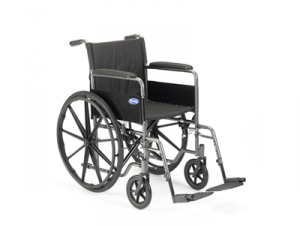
    wheelchair(noun)

    /ˈwiːltʃer/

    輪椅

    a chair with wheels used by people who cannot walk or have great difficulty walking

    He uses a lightweight wheelchair after his spinal cord injury.

    他在脊髓損傷後使用輕量型輪椅。

    The occupational therapist checked that the wheelchair fitted through the bathroom door.

    同義詞invalid chairmobility aidwheelchair
    反義詞able-bodiedambulatory
  2. 2

    gait(noun)

    /ɡeɪt/

    步態

    the pattern or manner in which a person walks

    The physiotherapist watched his gait and noticed he was limping on the left.

    物理治療師觀察他的步態,發現他左腳跛行。

    Video gait analysis showed that her knee did not straighten during walking.

    同義詞walkstridesteppace
    反義詞immobilitystillness
  3. 3

    prosthesis(noun)

    /prɑːsˈθiːsɪs/

    義肢, 人工植入物

    an artificial body part, such as a leg, hand or joint, that replaces one that is missing or damaged

    After his below-knee amputation, he learned to walk with a prosthesis.

    膝下截肢後,他學會了使用義肢走路。

    The prosthesis was adjusted because the socket rubbed his skin.

    同義詞artificial limbreplacement limbprosthetic device
    反義詞natural limboriginal limb
  4. 4

    splint(noun)

    /splɪnt/

    副木, 護具, 夾板

    a rigid support fixed to a body part to keep it still, protect it or hold it in a good position

    She wears a resting hand splint at night to prevent finger contractures.

    她晚上會戴著休息用手部副木,以預防手指攣縮。

    The therapist made a custom thermoplastic splint for his wrist.

    同義詞supportbracebandagecast
    反義詞none
  5. 5

    walking frame(noun)

    /ˈwɔːkɪŋ freɪm/

    助行器, 步行輔助架

    a light metal frame with four legs that a person holds and moves forward for support when walking

    He can walk about 20 metres with a walking frame.

    他拿著助行器可以走大約 20 公尺。

    Adjust the walking frame so that the handles are level with the wrists.

    同義詞walkerrollator
  6. 6

    crutches(noun)

    ˈkrʌtʃɪz

    腋下拐杖, 拐杖

    a pair of long sticks placed under the arms or held at the forearm to take weight off an injured leg

    He will need crutches for about six weeks after the ankle fracture.

    腳踝骨折後,他大約需要使用拐杖六週。

    Check that the crutches are the right height before teaching stair climbing.

    同義詞supportassistanceaid
    反義詞unsupportedunaidedindependent
  7. 7

    transfer(noun)

    /ˈtrænsfɜː(r)/

    接送服務, 接駁

    a journey arranged for travellers between two places, such as from the airport to their hotel

    The price includes return airport transfers in an air-conditioned car.

    價格包含往返機場的冷氣車接送服務。

    Your transfer to the hotel takes about forty minutes.

  8. 8

    fall prevention(noun)

    /ˈfɔːl prɪˌvenʃn/

    跌倒預防, 預防跌倒

    actions taken to reduce the risk of patients falling and injuring themselves in hospital

    Elderly patients are assessed for fall risk and fall prevention on admission.

    老年病人入院時會接受跌倒風險評估與跌倒預防措施。

    Bed rails and non-slip socks are part of our fall prevention program.

  9. 9

    gait training(noun)

    /ˈɡeɪt ˌtreɪnɪŋ/

    步態訓練, 步行訓練

    therapy that teaches a patient to walk safely and correctly again, often with aids or physical support

    Gait training started in the parallel bars two days after surgery.

    手術後兩天就在平行槓內開始進行步態訓練。

    Treadmill gait training with body-weight support is used after spinal cord injury.

  10. 10

    ambulation(noun)

    /ˌæmbjuˈleɪʃn/

    行走, 下床活動

    walking or moving about, especially for a patient who is recovering from illness or surgery

    Early ambulation after surgery reduces the risk of blood clots.

    手術後早期下床活動可降低血栓的風險。

    He achieved independent ambulation with a walking stick by the second week.

  11. 11

    weight-bearing(noun)

    /ˈweɪt ˌbeərɪŋ/

    負重, 承重

    the amount of body weight a patient is allowed to put through an injured or operated leg

    The surgeon allowed partial weight-bearing on the left leg for six weeks.

    外科醫師允許左腿在六週內部分負重。

    Teach the patient non-weight-bearing walking with crutches before discharge.

  12. 12

    rollator(noun)

    /ˈrəʊleɪtə(r)/

    四輪助行器, 帶座助行車

    a walking frame with wheels, hand brakes and often a seat

    A rollator lets her walk to the shops and rest on the seat when tired.

    有了四輪助行器,她可以走到商店購物,累了還能坐在座椅上休息。

    Make sure the patient can use the rollator brakes before going outdoors.

  13. 13

    walking stick(noun)

    /ˈwɔːkɪŋ stɪk/

    手杖, 單腳拐杖

    a stick held in one hand to give extra support and balance when walking

    Hold the walking stick in the hand opposite the painful hip.

    手杖應拿在疼痛髖部的對側手。

    She progressed from a frame to a single walking stick before discharge.

  14. 14

    patient hoist(noun)

    /ˈpeɪʃnt hɔɪst/

    病人移位機, 病人移位吊架

    a mechanical lifting device with a sling, used to move patients who cannot bear weight safely

    Two staff members are needed when using the patient hoist.

    使用病人移位機時需要兩名工作人員。

    A patient hoist protects both the patient and the nurses from injury during transfers.
  15. 15

    orthosis(noun)

    /ɔːˈθəʊsɪs/

    矯具, 輔具

    an external device such as a brace or splint that supports, corrects or protects a part of the body

    An ankle-foot orthosis was made to stop his toes dragging when walking.

    他裝配了一副踝足矯具,以防止走路時腳趾拖地。

    The orthosis should be checked regularly for pressure marks on the skin.