레슨 8/10 · 21단어 · 외운 단어 0
Diagnosis and treatment
진단과 치료
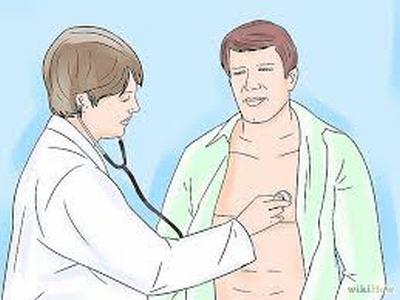
진단하다
to identify which disease or condition a patient has
She was diagnosed with type 2 diabetes last year.
그녀는 작년에 제2형 당뇨병 진단을 받았습니다.
It can be difficult to diagnose tuberculosis in children.
유의어identifydeterminerecognizeanalyzeassessfigure out반의어misdiagnoseoverlookmissconfuse치료하다, 완치시키다
to make a sick person healthy again or to make a disease go away completely
Most cases of tuberculosis can be cured with six months of treatment.
대부분의 결핵 환자는 6개월간의 치료로 완치될 수 있다.
Early-stage cancer can often be cured by surgery.
유의어remedytreatmenthealingtherapyantidote반의어diseaseailmentillnessaffliction수술
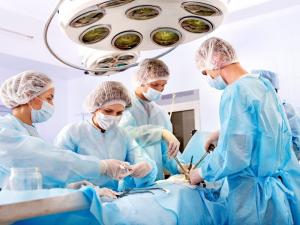
the treatment of disease or injury by cutting into the body to repair or remove parts
He needs surgery to remove his gallbladder next week.
그는 다음 주에 담낭을 제거하는 수술을 받아야 한다.
She is recovering well on the ward after heart surgery.
유의어operationproceduresurgical procedure반의어medical treatmenttherapyconservative treatment수혈
the process of giving blood from a donor into a patient's vein
She received a blood transfusion after losing a lot of blood.
그녀는 많은 피를 흘린 후 수혈을 받았다.
Check the blood group twice before starting a blood transfusion.
유의어transfusionblood infusion반의어bloodlettinghemorrhage진단
the identification of a disease or condition from its symptoms, examination and test results
The diagnosis of pneumonia was confirmed by chest X-ray.
폐렴 진단은 흉부 X선 검사로 확진되었다.
Early diagnosis greatly improves the outcome of cancer treatment.
유의어identificationanalysisassessment반의어prognosiscure투석, 혈액투석
a treatment that removes waste and extra water from the blood when the kidneys no longer work properly
He goes to the hospital for dialysis three times a week.
그는 일주일에 세 번 병원에 가서 투석을 받는다.
Patients on dialysis must strictly control their fluid intake.
유의어hemodialysisrenal replacement therapy반의어renal functionkidney health감별진단
the process of distinguishing between diseases with similar symptoms; also the list of possible diagnoses
The differential diagnosis includes pneumonia, heart failure and pulmonary embolism.
감별진단에는 폐렴, 심부전, 폐색전증이 포함된다.
Dengue and malaria should be in the differential diagnosis of fever after travel.
유의어diagnosisdistinguishing diagnosis반의어final diagnosisconfirmation예후
the likely course and outcome of a disease, including the chance of recovery
With early treatment, the prognosis for this type of cancer is excellent.
조기에 치료하면 이 유형의 암은 예후가 매우 좋다.
The doctor explained the poor prognosis to the family.
유의어forecastpredictionoutlookassessment반의어retrospectionhindsightpast회복
the process of returning to good health after an illness, injury or operation
She made a full recovery after treatment for pneumonia.
그녀는 폐렴 치료를 받은 후 완전히 회복했다.
Recovery from major surgery may take several weeks.
유의어recuperationrestorationrehabilitationimprovement반의어declineworseningdeteriorationrelapse재발
the return of a disease or its symptoms after a period of improvement
The patient had a relapse of tuberculosis after stopping treatment early.
그 환자는 치료를 일찍 중단한 후 결핵이 재발했다.
Regular follow-up helps to detect a relapse early.
유의어recurrenceregressionbackslide반의어improvementrecoveryprogress관해
a period when the signs and symptoms of a serious disease, such as cancer, decrease or disappear
After six cycles of chemotherapy, the leukemia is in remission.
6주기의 항암화학요법 후 백혈병은 관해 상태이다.
Complete remission means that no signs of cancer can be found.
유의어abatementalleviationrespiterecoveryimprovement반의어worseningexacerbationrelapse예방접종, 백신 접종
giving a vaccine to a person to protect them against a particular disease
Vaccination against measles is given at nine months of age.
홍역 예방접종은 생후 9개월에 실시한다.
The vaccination program has greatly reduced cases of diphtheria.
유의어immunizationinoculation반의어diseaseinfection치료 계획
an outline of the goals, treatments and follow-up chosen for a patient's condition
The team agreed on a treatment plan with the patient and her family.
의료진은 환자 및 가족과 함께 치료 계획에 합의했다.
The treatment plan includes medication, diet changes and monthly follow-up.
유의어care plantherapy regimenmedical strategy반의어neglectabandonment완화의료, 완화치료
care that relieves pain and other symptoms and improves quality of life for people with serious incurable illness
The family chose palliative care when the cancer could no longer be cured.
암을 더 이상 치료할 수 없게 되자 가족은 완화의료를 선택했다.
Palliative care teams focus on comfort and pain control.
산소요법, 산소치료
treatment in which extra oxygen is given through a mask or nasal tube to patients with low blood oxygen
Oxygen therapy was started because her saturation was 89 percent.
산소포화도가 89퍼센트여서 산소요법을 시작했다.
Patients with severe COPD may need oxygen therapy at home.