Lección 8/10 · 21 palabras · 0 aprendidas
Diagnosis and treatment
Diagnóstico y tratamiento
diagnosticar
to identify which disease or condition a patient has
She was diagnosed with type 2 diabetes last year.
A ella le diagnosticaron diabetes tipo 2 el año pasado.
It can be difficult to diagnose tuberculosis in children.
Sinónimosidentifydeterminerecognizeanalyzeassessfigure outAntónimosmisdiagnoseoverlookmissconfusecurar, sanar
to make a sick person healthy again or to make a disease go away completely
Most cases of tuberculosis can be cured with six months of treatment.
La mayoría de los casos de tuberculosis se pueden curar con seis meses de tratamiento.
Early-stage cancer can often be cured by surgery.
SinónimosremedytreatmenthealingtherapyantidoteAntónimosdiseaseailmentillnessafflictioncirugía, operación quirúrgica
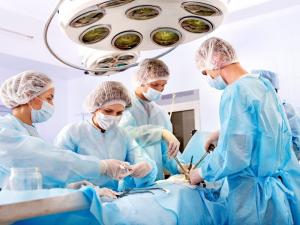
the treatment of disease or injury by cutting into the body to repair or remove parts
He needs surgery to remove his gallbladder next week.
Necesita cirugía para extirparle la vesícula biliar la próxima semana.
She is recovering well on the ward after heart surgery.
Sinónimosoperationproceduresurgical procedureAntónimosmedical treatmenttherapyconservative treatmenttransfusión de sangre, transfusión sanguínea
the process of giving blood from a donor into a patient's vein
She received a blood transfusion after losing a lot of blood.
Recibió una transfusión de sangre después de perder mucha sangre.
Check the blood group twice before starting a blood transfusion.
Sinónimostransfusionblood infusionAntónimosbloodlettinghemorrhagediagnóstico
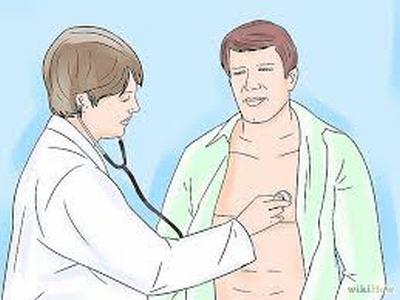
the identification of a disease or condition from its symptoms, examination and test results
The diagnosis of pneumonia was confirmed by chest X-ray.
El diagnóstico de neumonía fue confirmado por radiografía de tórax.
Early diagnosis greatly improves the outcome of cancer treatment.
SinónimosidentificationanalysisassessmentAntónimosprognosiscurediálisis
a treatment that removes waste and extra water from the blood when the kidneys no longer work properly
He goes to the hospital for dialysis three times a week.
Va al hospital para hacerse diálisis tres veces por semana.
Patients on dialysis must strictly control their fluid intake.
Sinónimoshemodialysisrenal replacement therapyAntónimosrenal functionkidney healthdiagnóstico diferencial
the process of distinguishing between diseases with similar symptoms; also the list of possible diagnoses
The differential diagnosis includes pneumonia, heart failure and pulmonary embolism.
El diagnóstico diferencial incluye neumonía, insuficiencia cardíaca y embolia pulmonar.
Dengue and malaria should be in the differential diagnosis of fever after travel.
Sinónimosdiagnosisdistinguishing diagnosisAntónimosfinal diagnosisconfirmationpronóstico
the likely course and outcome of a disease, including the chance of recovery
With early treatment, the prognosis for this type of cancer is excellent.
Con tratamiento temprano, el pronóstico de este tipo de cáncer es excelente.
The doctor explained the poor prognosis to the family.
SinónimosforecastpredictionoutlookassessmentAntónimosretrospectionhindsightpastrecuperación, restablecimiento
the process of returning to good health after an illness, injury or operation
She made a full recovery after treatment for pneumonia.
Se recuperó por completo después del tratamiento de la neumonía.
Recovery from major surgery may take several weeks.
SinónimosrecuperationrestorationrehabilitationimprovementAntónimosdeclineworseningdeteriorationrelapserecaída, recidiva
the return of a disease or its symptoms after a period of improvement
The patient had a relapse of tuberculosis after stopping treatment early.
El paciente tuvo una recaída de tuberculosis después de suspender el tratamiento antes de tiempo.
Regular follow-up helps to detect a relapse early.
SinónimosrecurrenceregressionbackslideAntónimosimprovementrecoveryprogressremisión
a period when the signs and symptoms of a serious disease, such as cancer, decrease or disappear
After six cycles of chemotherapy, the leukemia is in remission.
Después de seis ciclos de quimioterapia, la leucemia está en remisión.
Complete remission means that no signs of cancer can be found.
SinónimosabatementalleviationrespiterecoveryimprovementAntónimosworseningexacerbationrelapsevacunación
giving a vaccine to a person to protect them against a particular disease
Vaccination against measles is given at nine months of age.
La vacunación contra el sarampión se aplica a los nueve meses de edad.
The vaccination program has greatly reduced cases of diphtheria.
SinónimosimmunizationinoculationAntónimosdiseaseinfectionplan de tratamiento, plan terapéutico
an outline of the goals, treatments and follow-up chosen for a patient's condition
The team agreed on a treatment plan with the patient and her family.
El equipo acordó un plan de tratamiento con la paciente y su familia.
The treatment plan includes medication, diet changes and monthly follow-up.
Sinónimoscare plantherapy regimenmedical strategyAntónimosneglectabandonmentdiagnóstico presuntivo, diagnóstico provisional
the most likely diagnosis made early, before all test results are available
The provisional diagnosis on admission was acute appendicitis.
El diagnóstico presuntivo al ingreso fue apendicitis aguda.
The provisional diagnosis was changed after the CT scan.
factor de riesgo
something that increases a person's chance of developing a disease, such as smoking or obesity
Smoking is the main risk factor for lung cancer.
El tabaquismo es el principal factor de riesgo del cáncer de pulmón.
We discussed how to reduce his cardiovascular risk factors.
tamizaje, cribado, detección temprana
testing people who have no symptoms in order to find a disease early
Regular screening for colorectal cancer is recommended after the age of fifty.
Se recomienda el tamizaje periódico del cáncer colorrectal a partir de los cincuenta años.
Blood pressure screening is part of every routine check-up.
consulta, interconsulta
a meeting with a doctor for advice or treatment; also a discussion between doctors about a difficult case
The consultation with the specialist lasted twenty minutes.
La consulta con el especialista duró veinte minutos.
A multidisciplinary consultation was held to decide on the treatment plan.
tratamiento conservador
treatment that avoids surgery, using rest, medicines and monitoring instead
Small kidney stones are usually managed with conservative treatment.
Los cálculos renales pequeños suelen tratarse con tratamiento conservador.
If conservative treatment fails, surgery may be considered.
complicación
a new problem or illness that develops during a disease or after a treatment
Bleeding and infection are possible complications of surgery.
El sangrado y la infección son posibles complicaciones de la cirugía.
Kidney damage is a serious complication of diabetes.
cuidados paliativos
care that relieves pain and other symptoms and improves quality of life for people with serious incurable illness
The family chose palliative care when the cancer could no longer be cured.
La familia eligió los cuidados paliativos cuando ya no fue posible curar el cáncer.
Palliative care teams focus on comfort and pain control.
oxigenoterapia, terapia de oxígeno
treatment in which extra oxygen is given through a mask or nasal tube to patients with low blood oxygen
Oxygen therapy was started because her saturation was 89 percent.
Se inició la oxigenoterapia porque su saturación era del 89 por ciento.
Patients with severe COPD may need oxygen therapy at home.