레슨 9/10 · 22단어 · 외운 단어 0
Emergency care
응급 처치
응급 상황, 응급
a sudden, serious situation, such as an injury or illness, that needs immediate action
Severe chest pain should always be treated as a medical emergency.
심한 가슴 통증은 항상 응급 상황으로 간주해야 합니다.
In an emergency, call 115 for an ambulance.
유의어crisisurgencyexigencypredicamentdisaster반의어calmpeacenormalityroutine구급차, 앰뷸런스
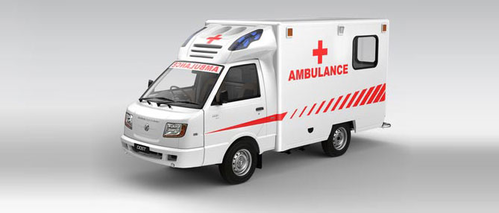
a vehicle with medical equipment and staff that takes sick or injured people to hospital
The ambulance arrived ten minutes after the call.
구급차는 신고 후 10분 만에 도착했습니다.
She was taken by ambulance to the nearest emergency department.
유의어medical transportemergency vehicle반의어personal vehicle의식불명의, 의식이 없는
not awake and unable to respond to people or things around you because of injury or illness
The man was found unconscious at the scene of the accident.
그 남성은 사고 현장에서 의식을 잃은 채 발견되었습니다.
Place an unconscious patient who is breathing in the recovery position.
유의어insensibleout coldsenselesscomatosestunnedblacked out반의어consciousawarealertsensible아나필락시스, 아나필락시스 쇼크
a sudden, severe, life-threatening allergic reaction that affects breathing and blood pressure
Anaphylaxis is treated immediately with adrenaline injected into the thigh.
아나필락시스는 허벅지에 아드레날린을 주사하여 즉시 치료합니다.
She developed anaphylaxis a few minutes after eating peanuts.
유의어allergic shockhypersensitivity reaction반의어allergy resistanceimmune tolerance심폐소생술, CPR
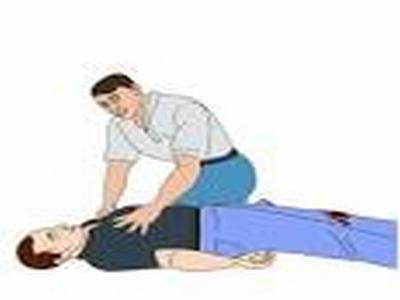
cardiopulmonary resuscitation: emergency chest compressions and rescue breaths that keep blood and oxygen flowing after the heart stops
Start CPR immediately if the patient is not breathing normally.
환자가 정상적으로 숨을 쉬지 않으면 즉시 심폐소생술을 시작하십시오.
All nurses and doctors in the hospital are trained to perform CPR.
유의어cardiopulmonary resuscitationlife supportresuscitation반의어deathcessation of life제세동기, 심장충격기
a machine that gives an electric shock to the heart to restore a normal rhythm
The defibrillator delivered a shock and his heart rhythm returned.
제세동기가 충격을 가하자 그의 심장 리듬이 돌아왔다.
Automated defibrillators are now available in airports and shopping malls.
유의어AEDcardioverter-defibrillator반의어None출혈, 대출혈
heavy bleeding from a damaged blood vessel, inside or outside the body
The CT scan showed a hemorrhage inside the brain.
CT 촬영 결과 뇌 내부에 출혈이 있는 것으로 나타났다.
Massive hemorrhage after an accident requires urgent blood transfusion.
유의어bleedingeffusionblood loss반의어coagulationclottinghemostasis기관 삽관, 기관내삽관
placing a tube through the mouth or nose into the windpipe to help a patient breathe
Intubation was needed because she could not breathe on her own.
그녀가 스스로 호흡하지 못해 기관 삽관이 필요했다.
The anesthesiologist performed the intubation just before the surgery began.
유의어endotracheal intubationtracheal intubation반의어extubation중독, 중독증
illness caused by swallowing, breathing in or touching a harmful substance
The child was admitted with poisoning after drinking a cleaning product.
그 아이는 세정제를 마신 후 중독으로 입원했다.
Methanol poisoning from homemade alcohol can cause blindness.
유의어intoxicationcontaminationvitiation반의어cureantidotedetoxification소생술, 심폐소생술
emergency treatment to restore breathing, heartbeat and circulation in a critically ill patient
The resuscitation lasted thirty minutes before his pulse returned.
소생술을 30분간 시행한 끝에 그의 맥박이 돌아왔다.
Severely injured patients are taken straight to the resuscitation room.
유의어revivalreanimationrecoveryrevivification반의어deathdemiseexpiration응급구조사, 구급대원
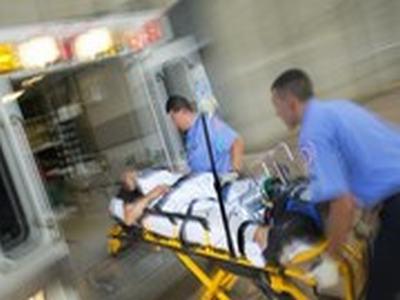
a trained health worker who gives emergency care to patients before and during transport to hospital
Paramedics gave him oxygen on the way to hospital.
응급구조사들이 병원으로 가는 도중 그에게 산소를 공급했다.
The paramedic handed over the patient's details to the emergency team.
유의어emergency medical technicianEMTfirst responder반의어patientcasualty트리아지, 환자 분류, 중증도 분류
the process of sorting patients by how urgently they need treatment
The triage nurse classified the patient as urgent.
분류 담당 간호사는 그 환자를 응급 환자로 분류했다.
In a mass casualty event, triage decides who is treated first.
유의어prioritizationsortingscreening반의어neglectignore응급처치, 응급 처치
simple emergency treatment given to an injured or sick person before professional medical help arrives
She gave first aid to the injured driver until the ambulance arrived.
그녀는 구급차가 도착할 때까지 부상을 입은 운전자에게 응급처치를 했다.
Every workplace should have a fully stocked first aid kit.
유의어Emergency treatmentImmediate careMedical assistance반의어NeglectDisregardAbandonment위독한 상태, 위중한 상태
a very serious state of health in which the patient may die without intensive treatment
Two victims of the crash are in critical condition.
이번 충돌 사고의 피해자 두 명이 위독한 상태이다.
Patients in critical condition are moved to the ICU.
유의어graveseriouslife-threateningunstable반의어stableimproving