บทที่ 9/10 · 22 คำ · จำได้แล้ว 0
Emergency care
การดูแลผู้ป่วยฉุกเฉิน
ภาวะฉุกเฉิน, เหตุฉุกเฉิน
a sudden, serious situation, such as an injury or illness, that needs immediate action
Severe chest pain should always be treated as a medical emergency.
อาการเจ็บหน้าอกรุนแรงควรถือเป็นภาวะฉุกเฉินทางการแพทย์เสมอ
In an emergency, call 115 for an ambulance.
คำพ้องความหมายcrisisurgencyexigencypredicamentdisasterคำตรงข้ามcalmpeacenormalityroutineรถพยาบาล
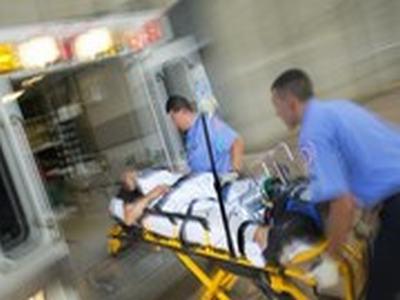
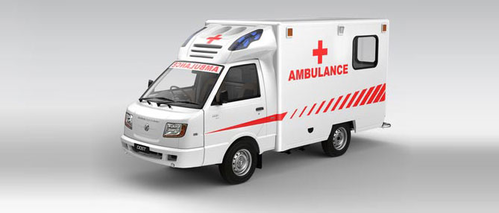
a vehicle with medical equipment and staff that takes sick or injured people to hospital
The ambulance arrived ten minutes after the call.
รถพยาบาลมาถึงหลังรับแจ้งเหตุสิบนาที
She was taken by ambulance to the nearest emergency department.
คำพ้องความหมายmedical transportemergency vehicleคำตรงข้ามpersonal vehicleหมดสติ, ไม่รู้สึกตัว
not awake and unable to respond to people or things around you because of injury or illness
The man was found unconscious at the scene of the accident.
พบชายคนนั้นหมดสติอยู่ที่เกิดเหตุ
Place an unconscious patient who is breathing in the recovery position.
คำพ้องความหมายinsensibleout coldsenselesscomatosestunnedblacked outคำตรงข้ามconsciousawarealertsensibleทางเดินหายใจ
the passage from the nose and mouth to the lungs through which air moves
The first priority is to keep the airway open.
สิ่งสำคัญอันดับแรกคือการรักษาทางเดินหายใจให้โล่งอยู่เสมอ
A piece of food blocking the airway can cause choking.
คำพ้องความหมายbreathing passageair passagerespiratory tractคำตรงข้ามblockageobstructionภาวะแพ้รุนแรง, แอนาฟิแล็กซิส
a sudden, severe, life-threatening allergic reaction that affects breathing and blood pressure
Anaphylaxis is treated immediately with adrenaline injected into the thigh.
ภาวะแอนาฟิแล็กซิสรักษาทันทีด้วยการฉีด adrenaline เข้าที่ต้นขา
She developed anaphylaxis a few minutes after eating peanuts.
คำพ้องความหมายallergic shockhypersensitivity reactionคำตรงข้ามallergy resistanceimmune toleranceCPR, การช่วยฟื้นคืนชีพ, การปั๊มหัวใจ
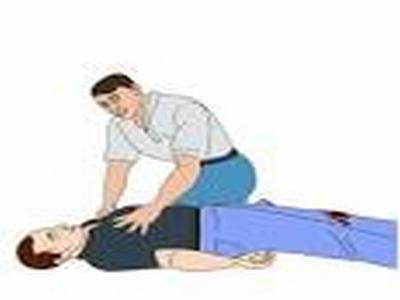
cardiopulmonary resuscitation: emergency chest compressions and rescue breaths that keep blood and oxygen flowing after the heart stops
Start CPR immediately if the patient is not breathing normally.
ให้เริ่ม CPR ทันทีหากผู้ป่วยไม่หายใจตามปกติ
All nurses and doctors in the hospital are trained to perform CPR.
คำพ้องความหมายcardiopulmonary resuscitationlife supportresuscitationคำตรงข้ามdeathcessation of lifeเครื่องช็อกไฟฟ้าหัวใจ, เครื่องกระตุกหัวใจด้วยไฟฟ้า
a machine that gives an electric shock to the heart to restore a normal rhythm
The defibrillator delivered a shock and his heart rhythm returned.
เครื่องช็อกไฟฟ้าหัวใจปล่อยกระแสไฟฟ้า และจังหวะการเต้นของหัวใจเขาก็กลับมาเป็นปกติ
Automated defibrillators are now available in airports and shopping malls.
คำพ้องความหมายAEDcardioverter-defibrillatorคำตรงข้ามNoneเลือดออก, ตกเลือด
heavy bleeding from a damaged blood vessel, inside or outside the body
The CT scan showed a hemorrhage inside the brain.
ภาพจากการสแกน CT แสดงให้เห็นว่ามีเลือดออกในสมอง
Massive hemorrhage after an accident requires urgent blood transfusion.
คำพ้องความหมายbleedingeffusionblood lossคำตรงข้ามcoagulationclottinghemostasisการใส่ท่อช่วยหายใจ
placing a tube through the mouth or nose into the windpipe to help a patient breathe
Intubation was needed because she could not breathe on her own.
จำเป็นต้องใส่ท่อช่วยหายใจเพราะเธอไม่สามารถหายใจเองได้
The anesthesiologist performed the intubation just before the surgery began.
คำพ้องความหมายendotracheal intubationtracheal intubationคำตรงข้ามextubationพิษ, ภาวะเป็นพิษ, ภาวะได้รับพิษ
illness caused by swallowing, breathing in or touching a harmful substance
The child was admitted with poisoning after drinking a cleaning product.
เด็กถูกรับตัวไว้รักษาด้วยภาวะได้รับพิษหลังดื่มผลิตภัณฑ์ทำความสะอาด
Methanol poisoning from homemade alcohol can cause blindness.
คำพ้องความหมายintoxicationcontaminationvitiationคำตรงข้ามcureantidotedetoxificationการช่วยฟื้นคืนชีพ, การกู้ชีพ, การช่วยชีวิตฉุกเฉิน
emergency treatment to restore breathing, heartbeat and circulation in a critically ill patient
The resuscitation lasted thirty minutes before his pulse returned.
การช่วยฟื้นคืนชีพใช้เวลาสามสิบนาทีกว่าชีพจรของเขาจะกลับมา
Severely injured patients are taken straight to the resuscitation room.
คำพ้องความหมายrevivalreanimationrecoveryrevivificationคำตรงข้ามdeathdemiseexpirationภาวะติดเชื้อในกระแสเลือด, ภาวะเลือดเป็นพิษ, เซพซิส
a life-threatening reaction of the body to an infection, which can damage organs
Sepsis must be treated with antibiotics within the first hour.
ภาวะติดเชื้อในกระแสเลือดต้องได้รับยาปฏิชีวนะภายในชั่วโมงแรก
Elderly patients with pneumonia are at risk of sepsis.
คำพ้องความหมายblood poisoningsepticemiaคำตรงข้ามhealthwell-beingเจ้าพนักงานฉุกเฉินการแพทย์, ผู้ปฏิบัติการฉุกเฉินการแพทย์
a trained health worker who gives emergency care to patients before and during transport to hospital
Paramedics gave him oxygen on the way to hospital.
เจ้าหน้าที่ฉุกเฉินการแพทย์ให้ออกซิเจนแก่เขาระหว่างทางไปโรงพยาบาล
The paramedic handed over the patient's details to the emergency team.
คำพ้องความหมายemergency medical technicianEMTfirst responderคำตรงข้ามpatientcasualtyการคัดแยกผู้ป่วย, การจัดลำดับความเร่งด่วน
the process of sorting patients by how urgently they need treatment
The triage nurse classified the patient as urgent.
พยาบาลคัดแยกผู้ป่วยจัดให้ผู้ป่วยรายนี้อยู่ในระดับเร่งด่วน
In a mass casualty event, triage decides who is treated first.
คำพ้องความหมายprioritizationsortingscreeningคำตรงข้ามneglectignoreการปฐมพยาบาล
simple emergency treatment given to an injured or sick person before professional medical help arrives
She gave first aid to the injured driver until the ambulance arrived.
เธอปฐมพยาบาลคนขับรถที่บาดเจ็บจนกระทั่งรถพยาบาลมาถึง
Every workplace should have a fully stocked first aid kit.
คำพ้องความหมายEmergency treatmentImmediate careMedical assistanceคำตรงข้ามNeglectDisregardAbandonmentอาการวิกฤต, ภาวะวิกฤต, อาการสาหัส
a very serious state of health in which the patient may die without intensive treatment
Two victims of the crash are in critical condition.
ผู้บาดเจ็บจากอุบัติเหตุสองรายอยู่ในอาการวิกฤต
Patients in critical condition are moved to the ICU.
คำพ้องความหมายgraveseriouslife-threateningunstableคำตรงข้ามstableimprovingการบาดเจ็บ, ภยันตราย
physical injury to the body caused by an outside force, such as a road accident or a fall
Road traffic accidents are the main cause of major trauma.
อุบัติเหตุทางถนนเป็นสาเหตุหลักของการบาดเจ็บรุนแรง
Patients with head trauma are monitored closely for 24 hours.