บทที่ 24/38 · 85 คำ · จำได้แล้ว 0
Law Crime
กฎหมายและอาชญากรรม
ค่าปรับ, เบี้ยปรับ, โทษ
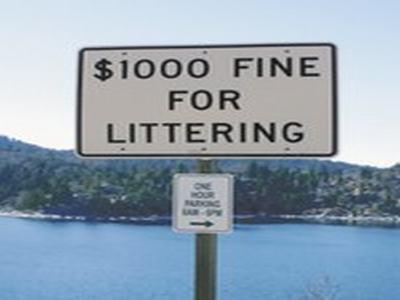
a punishment, often a payment of money, for breaking a law, rule or contract term
Under Vietnamese commercial law, a contractual penalty cannot exceed eight percent of the breached obligation.
ตามกฎหมายพาณิชย์ของเวียดนาม เบี้ยปรับตามสัญญาต้องไม่เกินร้อยละแปดของมูลค่าภาระผูกพันที่ผิดสัญญา
The supplier paid a penalty for delivering goods of poor quality.
คำพ้องความหมายpunishmentfinesanctionforfeitchargeretributiondisciplineคำตรงข้ามrewardprizebenefitcompensationawardสอบสวน
to carefully examine the facts of a situation, an event, a crime, etc. to find out the truth about it or how it happened
Reporters need to thoroughly investigate the facts before publishing their stories
นักข่าวจำเป็นต้องสอบสวนข้อเท็จจริงอย่างละเอียดก่อนเผยแพร่เรื่องราวของพวกเขา
Michelle's editor sent her to the capital to investigate the story behind the government scandal
คำพ้องความหมายexamineprobeexploreresearchanalyzestudyscrutinizeinquireคำตรงข้ามignoreneglectoverlookdisregardบริสุทธิ์
not guilty of a crime, etc.; not having done something wrong
Someone told your secret, but it wasn't me. I'm innocent.
มีคนบอกความลับของคุณ แต่ไม่ใช่ฉัน ฉันบริสุทธิ์
She was found innocent of any crime.
คำพ้องความหมายblamelessguiltlessnot guiltypurevirtuousuprightคำตรงข้ามguiltyculpableblameworthycorruptevilไม่ซื่อสัตย์
not honest; intending to trick people
Beware of dishonest traders in the tourist areas.
ระวังผู้ค้าที่ไม่ซื่อสัตย์ในแหล่งท่องเที่ยว
I don't like him, and it would be dishonest of me to pretend otherwise.
คำพ้องความหมายdeceitfuluntrustworthyfalsefraudulentcorruptdishonorableshadycrookedคำตรงข้ามhonesttrustworthytruthfulsincerehonorableuprightการกระทำผิด
an illegal act
New legislation makes it an offence to carry guns.
กฎหมายใหม่ทำให้การพกพาปืนเป็นความผิด
a first offence(= the first time that somebody has been found guilty of a crime)
คำพ้องความหมายcrimeviolationtransgressioninfractionwrongdoingmisdemeanorfelonyคำตรงข้ามlawfullegalrightobediencelawfulnessvirtueผู้ต้องสงสัย, ผู้ต้องหา
a person the police believe may have committed a crime
Police questioned three suspects about the missing funds.
ตำรวจสอบปากคำผู้ต้องสงสัยสามคนเกี่ยวกับเงินที่หายไป
The suspect has the right to a lawyer from the moment of arrest.
คำพ้องความหมายaccusedpossible culpritpresumed offendersubjecttargetคำตรงข้ามcertaintyfactknownprovenการพิจารณาคดี
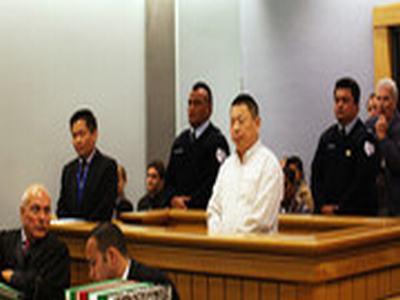
a formal examination of evidence in court by a judge and often a jury , to decide if somebody accused of a crime is guilty or not
a murder trial
การพิจารณาคดีฆาตกรรม
He did not receive a fair trial.
คำพ้องความหมายhearingcaselawsuitlegal proceedingtestexaminationexperimentคำตรงข้ามagreementsettlementharmonyaccordพยานหลักฐาน, หลักฐาน
documents, objects or statements presented to a court to prove or disprove facts in a case
The emails were submitted as evidence that the buyer had accepted the goods.
อีเมลถูกยื่นเป็นพยานหลักฐานว่าผู้ซื้อได้รับมอบสินค้าแล้ว
There was not enough evidence to prove the director knew about the loan.
คำพ้องความหมายprooftestimonyindicationsigncluemanifestationdemonstrationคำตรงข้ามdisproofrefutationdenialcontradictionconcealmentการลงโทษ
an act or a way of punishing somebody
There is little evidence that harsher punishments deter any better than more lenient ones.
มีหลักฐานเพียงเล็กน้อยที่แสดงให้เห็นว่าการลงโทษที่รุนแรงกว่าสามารถยับยั้งได้ดีกว่าการลงโทษที่เบากว่า
to inflict/impose/mete out punishment
คำพ้องความหมายpenaltydisciplinecorrectionretributionsentenceคำตรงข้ามrewardforgivenesspardonleniencyexonerationจับกุม, จับ
to take a person into police custody because they are believed to have committed a crime
Police arrested the warehouse manager on suspicion of theft.
ตำรวจจับกุมผู้จัดการคลังสินค้าในข้อหาต้องสงสัยลักทรัพย์
Two officials were arrested for taking bribes from contractors.
คำพ้องความหมายapprehenddetaincaptureseizetake into custodybustคำตรงข้ามreleasefreeliberatedischargeacquitกล่าวหา
to say that somebody has done something wrong or is guilty of something
The government was accused of incompetence.
รัฐบาลถูกกล่าวหาว่าไร้ความสามารถ
They stand accused of crimes against humanity.
คำพ้องความหมายchargeimpeachindictblameallegeคำตรงข้ามexoneratevindicateabsolveacquitexcuseยิง
to fire a gun or other weapon; to fire something from a weapon
They shot the lock off (= removed it by shooting).
พวกเขายิงกุญแจออก
The police rarely shoot to kill(= try to kill the people they shoot at).
คำพ้องความหมายfiredischargelaunchblasthitfilmrecordคำตรงข้ามprotectdefendguardholdcatchน่าสงสัย, น่าสงสัยว่ามีเลศนัย
making you feel that something is wrong, illegal or dishonest
Police are investigating a suspicious package found near the station.
ตำรวจกำลังสืบสวนพัสดุน่าสงสัยที่พบใกล้สถานี
คำพ้องความหมายdoubtfulquestionabledubiousshadydistrustfulwaryskepticalคำตรงข้ามtrustingbelievingunsuspectingnaivegulliblecredulousพยาน
a person who tells a court what they saw or know about the facts of a case
The warehouse manager was called as a witness for the defence.
ผู้จัดการคลังสินค้าถูกเรียกมาเป็นพยานฝ่ายจำเลย
Each witness must sign a written witness statement before the hearing.
คำพ้องความหมายobservereyewitnesslooker-onspectatortestifyattestconfirmคำตรงข้ามignoreoverlookdenydisproveการสอบสวน
an official examination of the facts about a situation, crime, etc.
We have finished a thorough investigation of the incident.
เราได้ทำการสอบสวนอย่างละเอียดถี่ถ้วนเกี่ยวกับเหตุการณ์นี้เสร็จแล้ว
The police have completed their investigations into the accident.
คำพ้องความหมายinquiryexaminationprobescrutinyresearchstudyexplorationanalysisคำตรงข้ามneglectignoranceoverlookdisregardความสงสัย
a feeling that somebody has done something wrong, illegal or dishonest, even though you have no proof
It's time to confront him with our suspicions.
ถึงเวลาเผชิญหน้าเขาด้วยความสงสัยของเรา
My suspicions were confirmed when police raided the property.
คำพ้องความหมายdoubtmistrustdistrustskepticismapprehensionqualmmisgivingคำตรงข้ามbeliefcertaintyfaithtrustconfidenceการฆ่า
an act of killing somebody deliberately
brutal killings
การฆ่าที่โหดร้าย
In the tiger, evolution has produced a perfect hunting machine.
คำพ้องความหมายslayingassassinationhomicidemanslaughterexecutionliquidationdestructionterminationคำตรงข้ามbirthcreationliferevivalpreservationเหตุการณ์ยิง, การยิงกัน
a situation in which a person is shot with a gun
Police are investigating a shooting in the city centre last night.
ตำรวจกำลังสอบสวนเหตุการณ์ยิงกันในใจกลางเมืองเมื่อคืนนี้
คำพ้องความหมายfiringgunfirehuntingtarget practicegunningคำตรงข้ามprotectiondefensepreventionขโมย (khamoi)
to take something from a person, shop, etc. without permission and without intending to return it or pay for it
Thieves stole jewellery worth over £10000.
โจรขโมยเครื่องประดับมูลค่ากว่า 10,000 ปอนด์ (Jon khamoi khreuangpradap munlakhakhwa 10,000 pon)
I had my wallet stolen.
คำพ้องความหมายpilferpurloinappropriateembezzlerobburglarizeshopliftswipeคำตรงข้ามgivedonatereturnofferproviderestoreลงโทษ
to make somebody suffer because they have broken the law or done something wrong
My parents used to punish me by not letting me watch TV.
พ่อแม่ของฉันเคยลงโทษฉันโดยไม่ให้ฉันดูทีวี
He was punished for refusing to answer their questions.
คำพ้องความหมายdisciplinepenalizechastisecorrectdisciplinereprimandคำตรงข้ามrewardpraiseforgiveexcusecondoneอาชญากรรม, ความผิด
an illegal act that can be punished by law
He has admitted committing several crimes including two murders.
เขายอมรับว่าได้ก่ออาชญากรรมหลายคดี รวมทั้งฆาตกรรมสองราย
คำพ้องความหมายoffensefelonymisdeedwrongdoingtransgressionviolationคำตรงข้ามinnocencelawfulnessrighteousnessvirtuemoralityขโมย, หัวขโมย, โจร
a person who steals something from another person or place
The police finally caught the thief who stole my bike.
ในที่สุดตำรวจก็จับขโมยที่ขโมยจักรยานของฉันได้
คำพ้องความหมายburglarrobberpilferershoplifterbanditcrooklarcenistmarauderคำตรงข้ามhonest personlaw-abiding citizengiverbenefactorphilanthropistการลักทรัพย์
the crime of stealing something from a person or place
The insurance will cover 30% value of the phone in the event of theft.
ประกันจะครอบคลุมมูลค่า 30% ของโทรศัพท์ในกรณีที่ถูกลักทรัพย์
คำพ้องความหมายlarcenyburglarypilferingrobberystealingคำตรงข้ามreturnrestitutiongivingofferingการประกันตัว, หลักทรัพย์ประกันตัว
release of an accused person before trial, often after money is paid as a guarantee they will return to court
The businessman was released on bail until his trial next month.
นักธุรกิจรายนั้นได้รับการปล่อยตัวชั่วคราวโดยประกันตัวจนกว่าจะถึงการพิจารณาคดีในเดือนหน้า
The court refused bail because the suspect might leave the country.
คำพ้องความหมายsecuritybondfreedomreleaseคำตรงข้ามimprisonmentdetentionincarcerationจำเลย
the person or people who are formally charged with a crime and are on trial
The accused denied all charges at the opening of the trial.
จำเลยปฏิเสธข้อกล่าวหาทั้งหมดในวันเริ่มการพิจารณาคดี
The court must treat the accused as innocent until proven guilty.
คำพ้องความหมายdefendantsuspectallegedคำตรงข้ามvictimplaintiffcomplainantการห้าม, กฎห้าม, คำสั่งห้าม
an official rule that says that something is not allowed
There is to be a total ban on smoking in the office.
จะมีการห้ามสูบบุหรี่ในสำนักงานโดยเด็ดขาด
คำพ้องความหมายprohibitionembargorestrictioninterdictionvetoคำตรงข้ามpermissionallowanceapprovalauthorizationconsentการฉ้อโกง, การทุจริต, การหลอกลวง
the crime of deceiving people or organisations in order to get money or goods illegally
The bank's system blocked the payment because it suspected fraud.
ระบบของธนาคารระงับการชำระเงินเนื่องจากสงสัยว่าเป็นการฉ้อโกง
Online fraud rose as more customers used mobile banking.
คำพ้องความหมายdeceittrickerycheatingswindlehoaximpostureshamคำตรงข้ามhonestytruthfulnessintegrityfairnessgenuinenessต้องรับผิดชอบตามกฎหมาย, มีความรับผิด
legally responsible for paying the cost of something
The company was held liable for the damage caused by its faulty products.
บริษัทต้องรับผิดชอบต่อความเสียหายที่เกิดจากสินค้าที่บกพร่องของตน
คำพ้องความหมายresponsibleaccountableanswerablesubjectexposedvulnerableproneคำตรงข้ามunlikelyimmuneprotectedexemptinvulnerableพิพากษาว่ามีความผิด, ตัดสินว่ามีความผิด, ลงโทษ
to decide officially in court that a person is guilty of a crime
The director was convicted of embezzling company funds.
ผู้อำนวยการถูกพิพากษาว่ามีความผิดฐานยักยอกเงินของบริษัท
Nobody can be convicted of a crime without sufficient evidence.
คำพ้องความหมายprisonerinmateoffendercriminalคำตรงข้ามinnocentfreeลักพาตัว
to take somebody away illegally and keep them as a prisoner, especially in order to get money or something else for returning them
Two businessmen have been kidnapped by terrorists.
นักธุรกิจสองคนถูกลักพาตัวโดยผู้ก่อการร้าย
คำพ้องความหมายabductseizecapturesnatchcarry offhold for ransomคำตรงข้ามreleasefreeliberateข้อกล่าวหา
a public statement that is made without giving proof, accusing somebody of doing something that is wrong or illegal
The newspaper published an allegation of corruption against the mayor.
หนังสือพิมพ์ตีพิมพ์ข้อกล่าวหาเรื่องการทุจริตต่อต้านนายกเทศมนตรี
คำพ้องความหมายaccusationchargeclaimassertioninsinuationคำตรงข้ามproofevidenceconfirmationrebuttaldenialลอบสังหาร
the murder of an important or famous person, especially for political reasons
The assassination of the president shocked the nation.
การลอบสังหารประธานาธิบดีทำให้ประเทศตกตะลึง
คำพ้องความหมายmurderkillingexecutionliquidationeliminationคำตรงข้ามbirthcreationpreservationsafeguardingprotectionการตัดสินว่ามีความผิด, การลงโทษ
the act of finding somebody guilty of a crime in court; the fact of having been found guilty
He had a previous conviction for theft and was sent to prison.
เขามีประวัติถูกตัดสินว่ามีความผิดฐานลักทรัพย์มาก่อนและถูกส่งเข้าคุก
คำพ้องความหมายbeliefcertaintyfaithassurancepersuasionคำตรงข้ามdoubtuncertaintyhesitationskepticismdistrustทุจริต (thutjarit)
willing to use their power to do dishonest or illegal things in return for money or to get an advantage
The politician was corrupt and accepted bribes.
นักการเมืองคนนั้นทุจริตและรับสินบน (nak kanmueang khon nan thutjarit lae rap sinbon)
คำพ้องความหมายdishonestimmoralunethicalperverteddebasedคำตรงข้ามhonestmoralethicalpureuprightการทุจริต
dishonest or illegal behaviour, especially of people in authority
The investigation revealed widespread corruption within the government.
การสืบสวนเปิดเผยการทุจริตอย่างแพร่หลายในรัฐบาล
คำพ้องความหมายdishonestyfraudbriberymalfeasancedepravityคำตรงข้ามhonestyintegrityrighteousnessuprightnessprobityการควบคุมตัว, การคุมขัง, การกักขัง
the state of being in prison or held by the police, especially while waiting for trial
The suspect was held in police custody overnight before appearing in court.
ผู้ต้องสงสัยถูกควบคุมตัวไว้ที่สถานีตำรวจข้ามคืนก่อนขึ้นศาล
คำพ้องความหมายguardianshipcarechargesupervisionคำตรงข้ามneglectabandonmentการคุมขัง, การควบคุมตัว, การกักขัง
the state of being kept in a place, especially a prison, and prevented from leaving
The suspect was held in detention for three days without charge.
ผู้ต้องสงสัยถูกคุมขังเป็นเวลาสามวันโดยไม่มีการตั้งข้อหา
คำพ้องความหมายcustodyconfinementimprisonmentincarcerationคำตรงข้ามfreedomreleaseการเลิกจ้าง, การไล่ออก
the act of an employer ending someone's employment, often as a disciplinary penalty
Repeated absence without reason can be grounds for dismissal.
การขาดงานซ้ำๆ โดยไม่มีเหตุผลอาจเป็นเหตุให้ถูกเลิกจ้างได้
The dismissal letter must state the reason clearly.
คำพ้องความหมายfiringterminationdischargeexpulsionคำตรงข้ามhiringemploymentretentionเป็นปรปักษ์
aggressive or unfriendly and ready to argue or fight
The crowd became hostile when the speaker made controversial remarks.
ฝูงชนเป็นปรปักษ์เมื่อผู้พูดกล่าวข้อความที่ก่อให้เกิดการโต้เถียง
คำพ้องความหมายantagonisticunfriendlyaggressivebelligerentคำตรงข้ามfriendlyamiablehospitablepeacefulเขตอำนาจศาล, อำนาจศาล, อำนาจพิจารณาคดี
the official power of a court or authority to hear cases and make legal decisions in a particular area
The court ruled that it had no jurisdiction over a dispute between two foreign companies.
ศาลวินิจฉัยว่าตนไม่มีอำนาจพิจารณาข้อพิพาทระหว่างบริษัทต่างประเทศสองแห่ง
The parties agreed that the courts of Singapore have exclusive jurisdiction.
คำพ้องความหมายauthoritypowercontroldominionคำตรงข้ามpowerlessnessimpotencesubmissionคณะลูกขุน, ลูกขุน
a group of ordinary citizens chosen to listen to a trial and decide whether the facts are proved
The jury found the defendant not guilty after two days of discussion.
คณะลูกขุนตัดสินว่าจำเลยไม่มีความผิดหลังจากปรึกษากันสองวัน
Civil cases in England are rarely decided by a jury.
คำพ้องความหมายpaneltribunalassessorsคำตรงข้ามjudgecourtคดีความ, คดีฟ้องร้อง
a claim or case that one person or company brings against another in a court of law
The customers filed a lawsuit against the developer for late handover of the apartments.
ลูกค้ายื่นฟ้องผู้พัฒนาโครงการกรณีส่งมอบอพาร์ตเมนต์ล่าช้า
The two companies settled the lawsuit before it went to trial.
คำพ้องความหมายlegal actioncaseclaimlitigationคำตรงข้ามsettlementagreementcompromiseคำให้การ, คำรับสารภาพ, คำปฏิเสธข้อกล่าวหา
a formal statement made in court by somebody accused of a crime, saying that they are guilty or not guilty
The defendant entered a plea of not guilty at the start of the trial.
จำเลยให้การปฏิเสธข้อกล่าวหาตั้งแต่เริ่มการพิจารณาคดี
คำพ้องความหมายappealrequestentreatysupplicationคำตรงข้ามcommandorderdemandดำเนินคดี, ฟ้องร้องดำเนินคดีอาญา
to officially accuse someone of a crime and bring a case against them in court
The company directors were prosecuted for selling counterfeit medicine.
กรรมการบริษัทถูกดำเนินคดีฐานจำหน่ายยาปลอม
The authorities decided not to prosecute because the amount involved was small.
คำพ้องความหมายsueindictchargelitigatearraignคำตรงข้ามdefendacquitexoneratepardonการดำเนินคดี
the process of trying to prove in court that somebody is guilty of a crime (= of prosecuting them) ; the process of being officially charged with a crime in court
The prosecution presented a strong case against the defendant.
การดำเนินคดีได้นำเสนอหลักฐานที่แข็งแกร่งต่อจำเลย
คำพ้องความหมายIndictmentAccusationLawsuitLegal actionคำตรงข้ามAcquittalExonerationDefenseพนักงานอัยการ, อัยการ
a public lawyer who brings criminal charges against a person and argues the case against them in court
The prosecutor said the evidence clearly showed the director knew about the fraud.
อัยการกล่าวว่าพยานหลักฐานแสดงให้เห็นอย่างชัดเจนว่ากรรมการรู้เห็นเกี่ยวกับการฉ้อโกง
The public prosecutor asked the court for a five-year prison sentence.
คำพ้องความหมายdistrict attorneyDAattorneylitigatorคำตรงข้ามdefense attorneydefenderทนายความที่ปรึกษา (อังกฤษ), โซลิซิเตอร์
in the UK, a lawyer who advises clients, prepares legal documents and deals with cases mainly outside the higher courts
Our London solicitor drafted the share purchase agreement.
ทนายความที่ปรึกษาของเราในลอนดอนเป็นผู้ร่างสัญญาซื้อขายหุ้น
The solicitor explained the risks of the deal in a short written memo.
คำพ้องความหมายlawyerattorneylegal advisorคำตรงข้ามdefendantplaintiffฟ้องร้อง, ฟ้อง, ฟ้องคดี
to start legal action against a person or organisation in a court to claim money or another remedy
The supplier threatened to sue us for the unpaid invoices.
ผู้จัดจำหน่ายขู่ว่าจะฟ้องเราเรื่องใบแจ้งหนี้ที่ยังไม่ได้ชำระ
You cannot sue the branch separately because it is not a legal entity.
คำพ้องความหมายprosecutelitigatebring suit againsttake to courtคำตรงข้ามforgiveabsolvepardonexonerateเบิกความ, ให้การเป็นพยาน
to give evidence as a witness in a court of law
The former accountant agreed to testify against the company's directors.
อดีตนักบัญชีตกลงเบิกความเป็นพยานปรักปรำกรรมการของบริษัท
She testified that she had never seen the second contract.
คำพ้องความหมายattestdeposevouchdeclareaffirmคำตรงข้ามdenycontradictrecantdisproveคำเบิกความ, ถ้อยคำพยาน
a formal statement that a witness makes in court, usually after promising to tell the truth
Her testimony helped the court understand how the contract was negotiated.
คำเบิกความของเธอช่วยให้ศาลเข้าใจว่าสัญญาได้รับการเจรจาอย่างไร
The judge did not find his testimony believable.
คำพ้องความหมายevidencestatementproofdeclarationคำตรงข้ามdenialrebuttalcontradictionคำพิพากษา, คำตัดสิน
the decision of a jury or court on whether a person is guilty or liable
The jury reached a guilty verdict on all three charges.
คณะลูกขุนตัดสินว่ามีความผิดในทั้งสามข้อหา
The company plans to appeal against the verdict.
คำพ้องความหมายjudgmentdecisionrulingfindingคำตรงข้ามindictmentaccusationการละเมิด
the act of going against or refusing to obey a law, an agreement, etc.
The company committed a serious violation of safety regulations.
บริษัทได้กระทำการละเมิดกฎระเบียบด้านความปลอดภัยอย่างร้ายแรง
คำพ้องความหมายbreachinfringementtransgressionoffenseคำตรงข้ามcomplianceadherenceobedienceข้อกล่าวหา
a statement saying that you think a person is guilty of doing something wrong or illegal; the fact of accusing somebody
The accusation against him was false.
ข้อกล่าวหาต่อเขาเป็นเท็จ
คำพ้องความหมายchargeindictmentallegationคำตรงข้ามexonerationacquittalvindication