
ข้ามไปยังเนื้อหา

บทที่ 7/10 · 16 คำ · จำได้แล้ว 0

Wound care and dressings

การดูแลบาดแผลและการทำแผล

  1. 1

    debridement(noun)

    /dɪˈbridmənt/

    การตัดเนื้อตายออก, การขูดแผล

    the removal of dead or infected tissue from a wound to help it heal

    The ulcer needs debridement before it can begin to heal.

    แผลเปื่อยนี้ต้องได้รับการตัดเนื้อตายออกก่อนจึงจะเริ่มหายได้

    Some modern dressings allow gentle debridement without the need for surgery.

    คำพ้องความหมายexcisioncurettagesurgical removal
    คำตรงข้ามtissue growthhealingregeneration
  2. 2

    dehiscence(noun)

    /di'hisns/

    แผลผ่าตัดแยก, แผลแยก

    the splitting open of a surgical wound along its line of stitches

    Coughing hard after abdominal surgery can lead to wound dehiscence.

    การไออย่างรุนแรงหลังการผ่าตัดช่องท้องอาจทำให้แผลผ่าตัดแยกได้

    Cover the wound with a sterile wet dressing if dehiscence occurs.

    คำพ้องความหมายsplittingburstingopening
    คำตรงข้ามclosurefusion
  3. 3

    gauze(noun)

    /ɡɔːz/

    ผ้าก๊อซ

    a thin, loosely woven cotton cloth, used especially for cleaning and covering wounds

    Cover the wound with sterile gauze and tape it in place.

    ปิดแผลด้วยผ้าก๊อซปลอดเชื้อแล้วติดเทปให้แน่น

    Press firmly with gauze to stop the bleeding.

    คำพ้องความหมายbandagelintdressing
    คำตรงข้ามNone
  4. 4

    wound assessment(noun)

    /ˈwuːnd əˌsesmənt/

    การประเมินบาดแผล

    checking and recording a wound's size, depth, tissue type, fluid, smell and the skin around it

    Do a full wound assessment at every dressing change.

    ประเมินบาดแผลอย่างครบถ้วนทุกครั้งที่เปลี่ยนวัสดุปิดแผล

    The wound assessment showed the ulcer had shrunk by one centimetre.

  5. 5

    wound bed(noun)

    /ˈwuːnd bed/

    พื้นแผล

    the base or surface of an open wound, where new tissue grows during healing

    The wound bed is pink and moist, which is a good sign.

    พื้นแผลมีสีชมพูและชุ่มชื้น ซึ่งเป็นสัญญาณที่ดี

    Gently clean the wound bed without damaging new tissue.

  6. 6

    granulation tissue(noun)

    /ˌɡrænjuˈleɪʃn ˌtɪʃuː/

    เนื้อเยื่อแกรนูเลชัน, เนื้อเยื่อสร้างใหม่

    new red, bumpy tissue that fills a wound as it heals

    Healthy granulation tissue is bright red and bleeds easily.

    เนื้อเยื่อแกรนูเลชันที่ดีมีสีแดงสด และเลือดออกง่าย

    The wound is now covered with granulation tissue.

  7. 7

    slough(noun)

    /slʌf/

    สโลว์, เนื้อเยื่อตายสีเหลือง

    soft, yellow, dead tissue on the surface of a wound that slows healing

    About half of the wound bed is covered with yellow slough.

    พื้นแผลประมาณครึ่งหนึ่งถูกปกคลุมด้วยสโลว์สีเหลือง

    The new dressing helps loosen slough from the wound.

  8. 8

    necrotic tissue(noun)

    /neˌkrɒtɪk ˈtɪʃuː/

    เนื้อเยื่อตาย, เนื้อตาย

    dead tissue, often black or brown and hard, that must usually be removed for a wound to heal

    Necrotic tissue on the heel was reported to the wound care nurse.

    พบเนื้อเยื่อตายที่ส้นเท้าและรายงานให้พยาบาลดูแลบาดแผลทราบ

    Necrotic tissue can hide the true depth of a wound.

  9. 9

    exudate(noun)

    /ˈeksjudeɪt/

    สารคัดหลั่งจากแผล, น้ำเหลืองจากแผล

    fluid that leaks out of a wound

    Heavy exudate means the dressing needs changing more often.

    สารคัดหลั่งจากแผลปริมาณมากหมายความว่าต้องเปลี่ยนวัสดุปิดแผลบ่อยขึ้น

    Green, smelly exudate may be a sign of infection.

  10. 10

    wound irrigation(noun)

    /ˈwuːnd ˌɪrɪɡeɪʃn/

    การล้างแผล, การชะล้างแผล

    washing a wound with a steady stream of fluid, such as saline, to remove dirt and bacteria

    Wound irrigation with warm saline removes loose debris.

    การล้างแผลด้วยน้ำเกลืออุ่นช่วยกำจัดเศษสิ่งสกปรกที่หลุดง่าย

    Use a syringe for wound irrigation of deep wounds.

  11. 11

    non-adherent dressing(noun)

    /ˌnɒn ədˈhɪərənt ˈdresɪŋ/

    วัสดุปิดแผลชนิดไม่ติดแผล, ผ้าก๊อซไม่ติดแผล

    a dressing with a surface that does not stick to the wound, so it can be removed without pain

    Use a non-adherent dressing on the skin graft site.

    ใช้วัสดุปิดแผลชนิดไม่ติดแผลบริเวณที่ปลูกถ่ายผิวหนัง

    A non-adherent dressing stops new tissue being pulled off at changes.

  12. 12

    hydrocolloid dressing(noun)

    /ˌhaɪdrəˈkɒlɔɪd ˌdresɪŋ/

    แผ่นปิดแผลไฮโดรคอลลอยด์, ไฮโดรคอลลอยด์ดรอสซิ่ง

    a thick, waterproof dressing that forms a gel with wound fluid and keeps the wound moist

    A hydrocolloid dressing can stay on for up to five days.

    แผ่นปิดแผลไฮโดรคอลลอยด์สามารถแปะทิ้งไว้ได้นานถึงห้าวัน

    Hydrocolloid dressings are useful for shallow pressure injuries.

  13. 13

    wound drain(noun)

    /ˈwuːnd dreɪn/

    สายระบายแผลผ่าตัด, ท่อระบายแผล

    a tube placed in a wound after surgery to let blood or fluid flow out

    Record how much fluid the wound drain collects each shift.

    บันทึกปริมาณของเหลวที่ไหลออกมาทางสายระบายแผลผ่าตัดในแต่ละเวร

    The surgeon will remove the wound drain when output is low.

  14. 14

    wound packing(noun)

    /ˈwuːnd ˌpækɪŋ/

    การใส่ผ้าก๊อซอุดแผล, ผ้าก๊อซสอดแผล

    a strip of dressing material placed loosely into a deep wound or cavity to help it heal from the inside

    The abscess cavity needs fresh wound packing every day.

    โพรงฝีต้องเปลี่ยนผ้าก๊อซสอดแผลใหม่ทุกวัน

    Count the pieces of wound packing so none are left inside.
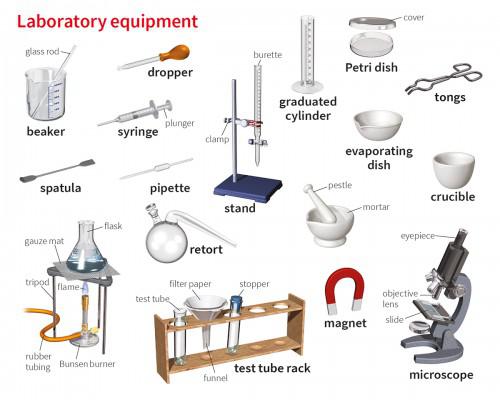
  15. 15

    suture removal(noun)

    /ˈsuːtʃə rɪˌmuːvl/

    การตัดไหม, การเอาไหมออก

    taking out stitches from a healed wound, usually 5 to 14 days after surgery

    Book suture removal at the clinic ten days after the operation.

    นัดตัดไหมที่คลินิกสิบวันหลังการผ่าตัด

    Use sterile scissors and forceps for suture removal.

  16. 16

    surgical staples(noun)

    /ˌsɜːdʒɪkl ˈsteɪplz/

    ลวดเย็บแผลผ่าตัด, แม็กเย็บแผล

    small metal clips used instead of stitches to close a wound

    The hip wound was closed with surgical staples.

    แผลที่สะโพกถูกปิดด้วยลวดเย็บแผลผ่าตัด

    A special remover is used to take out surgical staples.