
Skip to content

Lesson 3/8 · 18 words · 0 learned

Prescriptions and dispensing

  1. 1

    prescription(noun)

    /prɪˈskrɪpʃn/

    a written or electronic order from a doctor allowing a patient to receive a particular medicine

    Antibiotics can only be sold with a prescription.

    The pharmacist checked the prescription carefully for dosing errors.

    Synonymsorderdirectioninstructionformulamedication order
    Antonymsover-the-counter (medication)
  2. 2

    over-the-counter(adjective)

    /ˌəʊvər ðə ˈkaʊntər/

    (of a medicine) able to be bought without a prescription

    In most countries, paracetamol is available as an over-the-counter medicine.

    Tell your doctor about any over-the-counter drugs you are taking.

    SynonymsnonprescriptionOTC
    Antonymsprescriptionethical
  3. 3

    pharmacist(noun)

    /ˈfɑːrməsɪst/

    a licensed health professional who prepares and supplies medicines and advises on their safe use

    Ask your pharmacist if you are unsure how to take this medicine.

    A clinical pharmacist reviews all prescriptions in the ICU.

    Synonymsdruggistapothecarychemist
  4. 4

    prescribe(verb)

    /prɪˈskraɪb/

    to officially order a medicine or treatment for a patient

    The doctor prescribed amoxicillin three times a day for seven days.

    Do not take medicine that was prescribed for another person.

    Synonymsorderdirectstipulatespecifyadvise
    Antonymsprohibitbanforbid
  5. 5

    prescriber(noun)

    /prɪˈskraɪbə/

    a doctor or other licensed health worker who is allowed to write prescriptions

    Contact the prescriber if the dose on the prescription seems wrong.

    The prescriber's signature and full name must appear on every prescription.

  6. 6

    dispense(verb)

    /dɪˈspens/

    to prepare and give out medicine to patients according to a prescription

    Pharmacists must check every prescription before they dispense the medicine.

    The hospital pharmacy dispenses medicines to the wards twice a day.

  7. 7

    pharmacy technician(noun)

    /ˌfɑːməsi tekˈnɪʃn/

    a trained worker who helps a pharmacist prepare, label and supply medicines

    The pharmacy technician counted the tablets and labeled the bottle.

    Pharmacy technicians manage stock under the pharmacist's supervision.

  8. 8

    hospital pharmacy(noun)

    /ˌhɒspɪtl ˈfɑːməsi/

    the department in a hospital that buys, stores, prepares and supplies medicines for patients

    The hospital pharmacy is open 24 hours a day for urgent orders.

    Chemotherapy drugs are prepared in a clean room in the hospital pharmacy.

  9. 9

    community pharmacy(noun)

    /kəˌmjuːnəti ˈfɑːməsi/

    a pharmacy in a town or neighborhood where the public can buy medicines and get advice

    Many people ask a community pharmacy for advice before seeing a doctor.

    A licensed pharmacist must be present while the community pharmacy is open.

  10. 10

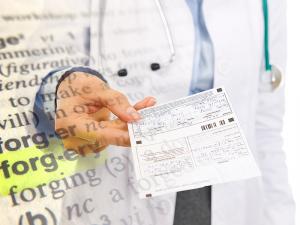
    prescription-only medicine(noun)

    /prɪˌskrɪpʃn ˌəʊnli ˈmedsn/

    a medicine that can only be supplied with a valid prescription from a doctor

    In Vietnam, antibiotics are prescription-only medicines and need a doctor's prescription.

    Selling prescription-only medicines without a prescription breaks the law.
  11. 11

    generic name(noun)

    /dʒəˌnerɪk ˈneɪm/

    the official scientific name of a drug's active ingredient, which is not owned by any company

    Paracetamol is the generic name, while Panadol is a brand name.

    Doctors are encouraged to prescribe medicines by generic name.

  12. 12

    brand name(noun)

    /ˈbrænd neɪm/

    the name a company gives to the drug it produces and sells

    The same drug is sold under several different brand names.

    Check the active ingredient, not just the brand name, to avoid double dosing.

  13. 13

    generic drug(noun)

    /dʒəˌnerɪk ˈdrʌɡ/

    a cheaper copy of a brand-name drug with the same active ingredient, strength and effect

    Generic drugs help reduce costs for the health insurance fund.

    The pharmacist offered a generic drug instead of the original brand.

  14. 14

    package insert(noun)

    /ˈpækɪdʒ ˌɪnsɜːt/

    the printed leaflet inside a medicine box giving information on use, dose, side effects and warnings

    Read the package insert carefully before taking the medicine.

    The package insert lists all known side effects of the drug.

  15. 15

    refill(noun)

    /ˈriːfɪl/

    a further supply of a medicine given under the same prescription

    The prescription allows two refills over the next three months.

    Call the pharmacy a few days before you need a refill.

  16. 16

    patient counseling(noun)

    /ˌpeɪʃnt ˈkaʊnsəlɪŋ/

    advice a pharmacist gives a patient about how to take a medicine safely and what to expect

    Patient counseling should cover the dose, timing and possible side effects.

    Good patient counseling at the pharmacy counter improves adherence to treatment.

  17. 17

    adherence(noun)

    /ədˈhɪərəns/

    how closely a patient takes medicines exactly as prescribed

    Poor adherence is a common reason for treatment failure.

    Pill boxes and phone reminders can improve adherence.

  18. 18

    medication error(noun)

    /ˌmedɪˈkeɪʃn ˌerə/

    a preventable mistake in prescribing, dispensing or giving a medicine

    Every medication error must be reported, even if no harm occurs.

    Look-alike drug names are a common cause of medication errors.