Lección 9/10 · 15 palabras · 0 aprendidas
Hydraulics and pneumatics
Hidráulica y neumática
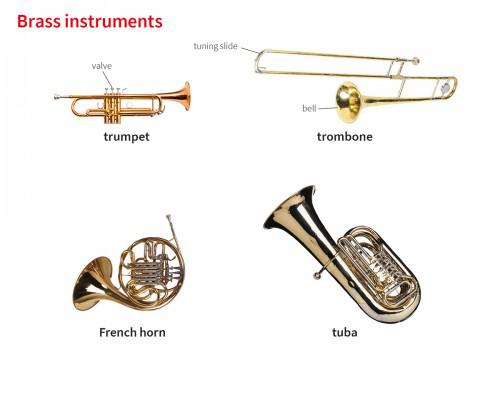
válvula
a device that opens, closes or controls the flow of liquid or gas through a pipe
Close the main valve before you disconnect the hose.
Cierre la válvula principal antes de desconectar la manguera.
A sticking valve was stopping the cylinder from moving.
SinónimosspigotstopcocktapcockregulatorAntónimosblockageobstructionclosuremanguera, manguera flexible
a flexible tube that carries liquid or air, for example oil in a hydraulic system
Replace any hydraulic hose that shows cracks or bulges.
Reemplace cualquier manguera hidráulica que presente grietas o abultamientos.
A burst hose sprayed oil across the floor.
SinónimostubepipeconduitAntónimossolidblockagehidráulica, sistemas hidráulicos
the use of liquid under pressure, usually oil, to move or power machines
Hydraulics are used on the press because they produce very high force.
La prensa utiliza sistemas hidráulicos porque producen una fuerza muy alta.
He took a short course in industrial hydraulics.
Sinónimosfluid powerhydrodynamicswaterpowerAntónimospneumaticsmechanicsneumática, sistemas neumáticos
the use of compressed air to move or power machines and tools
Pneumatics are clean and fast, which suits the packaging line.
Los sistemas neumáticos son limpios y rápidos, lo que se adapta a la línea de empaque.
The maintenance team needs more training in pneumatics.
cilindro hidráulico
a device in which oil under pressure pushes a piston and rod to produce straight-line force
The main hydraulic cylinder lifts the press ram after each stroke.
El cilindro hidráulico principal levanta el carro de la prensa después de cada carrera.
Oil on the rod shows that the hydraulic cylinder seals are leaking.
válvula direccional, válvula de control direccional
a valve that sends fluid to different paths to make an actuator move forward, back or stop
The directional control valve decides which way the cylinder moves.
La válvula direccional determina hacia dónde se mueve el cilindro.
We replaced the directional control valve after the spool jammed.
válvula de alivio de presión, válvula de seguridad
a safety valve that opens automatically to release fluid when the pressure gets too high
The pressure relief valve is set at 160 bar.
La válvula de alivio de presión está ajustada a 160 bar.
Never adjust the pressure relief valve without approval.
válvula solenoide, electroválvula
a valve opened and closed by an electric coil, so it can be controlled automatically
The PLC switches the solenoid valve to start the air blast.
El PLC acciona la electroválvula para iniciar el chorro de aire.
The solenoid valve coil burned out and the cylinder stopped.
compresor de aire
a machine that squeezes air into a tank under pressure to power pneumatic tools and equipment
Drain the water from the air compressor tank every day.
Drene el agua del tanque del compresor de aire todos los días.
The factory runs two screw air compressors in turn.
fluido hidráulico, aceite hidráulico
the special oil used in a hydraulic system to transfer power, lubricate and cool
Top up the hydraulic fluid to the middle of the sight glass.
Rellene el fluido hidráulico hasta la mitad del visor de nivel.
Dirty hydraulic fluid is the main cause of valve failure.
manómetro
an instrument with a dial that shows the pressure of a liquid or gas in a system
The pressure gauge should read 6 bar when the system is running.
El manómetro debe marcar 6 bar cuando el sistema está en funcionamiento.
Fit a pressure gauge after the pump to help with fault finding.
caudal, flujo volumétrico
the amount of liquid or gas that passes a point in a certain time, such as litres per minute
The cylinder speed depends on the flow rate from the pump.
La velocidad del cilindro depende del caudal de la bomba.
A blocked filter reduced the flow rate to the cooler.