Aralin 5/10 · 16 salita · 0 natutunan
Medication administration
Pagbibigay ng gamot
huwag ibigay, ipagpaliban ang pagbibigay
to not give something, such as a planned dose of medicine, for a safety reason
Withhold the blood pressure tablet if the systolic pressure is below 100.
Huwag ibigay ang tableta para sa altapresyon kung ang systolic na presyon ay mas mababa sa 100.
The dose was withheld because the patient was nil by mouth.
Kasingkahuluganhold backconcealsuppressretainreservekeep backKasalungatreleaserevealdisclosegiveofferdurugin, gilingin
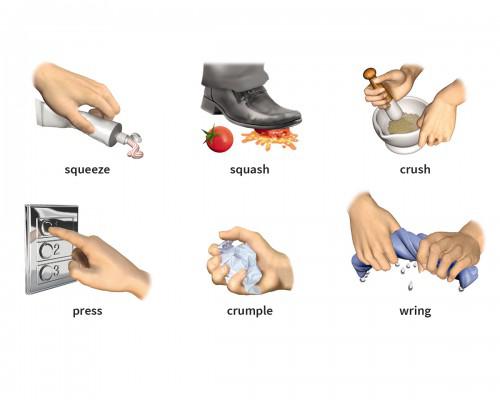
to press something hard so that it breaks into pieces or powder, for example a tablet
Check with the pharmacist before you crush any tablet.
Kumonsulta muna sa parmasyutiko bago durugin ang anumang tableta.
Slow-release tablets must not be crushed because the whole dose is released at once.
KasingkahulugansquashmashcrumplepresssqueezeflattenoverwhelmKasalungatraisebuildconstructsupportprotectpagkakamali sa gamot, pagkakamali sa paggagamot
a preventable mistake in prescribing, dispensing or giving a medicine
Every medication error must be reported, even if no harm occurs.
Dapat iulat ang bawat pagkakamali sa gamot, kahit walang naidulot na pinsala.
Look-alike drug names are a common cause of medication errors.
kontroladong gamot
a medicine, such as morphine, that is strictly controlled by law because it can be misused
Controlled drugs are stored in a locked cabinet on the ward.
Ang mga kontroladong gamot ay itinatago sa nakakandadong kabinet sa ward.
Every dose of a controlled drug must be recorded in the register.
magbigay ng gamot, magbigay ng gamutan
to give a medicine or treatment to a patient
Only registered nurses may administer intravenous antibiotics on this ward.
Mga rehistradong nars lamang ang maaaring magbigay ng antibiotic sa ugat sa ward na ito.
The vaccine was administered into the upper arm.
pag-iikot sa pagbibigay ng gamot, oras ng gamutan
the set times when a nurse goes from patient to patient giving prescribed medicines
Please do not disturb the nurse during the medication round.
Pakiusap huwag istorbohin ang nars habang nag-iikot sa pagbibigay ng gamot.
The 8 a.m. medication round usually takes about an hour.
kariton ng gamot, kariton ng medisina
a lockable cart that holds patients' medicines and is wheeled around the ward on medication rounds
Never leave the medication trolley unlocked and unattended.
Huwag kailanman iwanang bukas at walang bantay ang kariton ng gamot.
The medication trolley is stored in the treatment room between rounds.
talaan ng pagbibigay ng gamot, MAR
the chart where each prescribed medicine and the time it is given are signed by the nurse
Sign the medication administration record immediately after giving each dose.
Lagdaan agad ang talaan ng pagbibigay ng gamot pagkatapos magbigay ng bawat dosis.
The medication administration record showed that the evening dose was missed.
pagtutugma ng mga gamot, rekonsilyasyon ng gamot
comparing a patient's usual medicines with hospital prescriptions to find and correct differences
Medication reconciliation found that his blood thinner had not been prescribed.
Natuklasan sa pagtutugma ng mga gamot na hindi pala nareseta ang kanyang pampanipis ng dugo.
Pharmacists and nurses share the task of medication reconciliation.
limang tama sa pagbibigay ng gamot
the five checks before giving a medicine: right patient, drug, dose, route and time
Always check the five rights before you give any medicine.
Laging suriin ang limang tama bago magbigay ng anumang gamot.
Most medication errors happen when one of the five rights is skipped.
magsuri nang dalawahan, muling suriin
to have a second nurse independently check a medicine and dose before it is given
Insulin and heparin doses must be double-checked by two nurses.
Ang mga dosis ng insulin at heparin ay dapat suriin nang dalawahan ng dalawang nars.
Please double-check this calculation with me before I draw up the drug.
gamot na mataas ang panganib
a medicine that can cause serious harm if given wrongly, such as insulin, opioids or potassium
Potassium chloride is a high-alert medication stored separately.
Ang potassium chloride ay gamot na mataas ang panganib kaya hiwalay itong iniimbak.
High-alert medications need an independent check by a second nurse.
pagkukuwenta ng dosis ng gamot
working out the correct amount of medicine to give, for example in millilitres or drops per minute
New nurses must pass a drug calculation test before giving IV drugs.
Kailangang pumasa ang mga bagong nars sa pagsusulit sa pagkukuwenta ng dosis ng gamot bago magbigay ng gamot sa ugat.
A wrong drug calculation led to a tenfold overdose.
palihim na pagbibigay ng gamot
medicine hidden in food or drink and given without the patient knowing, allowed only in strict cases
Covert medication needs a best-interests decision and the pharmacist's advice.
Ang palihim na pagbibigay ng gamot ay nangangailangan ng desisyon batay sa pinakamabuting kapakanan ng pasyente at payo ng parmasyutiko.
The team agreed on covert medication because she could not understand her treatment.
nalaktawang dosis, hindi naibigay na dosis
a prescribed dose of medicine that was not given, with or without a recorded reason
Every omitted dose must have a reason code on the chart.
Ang bawat nalaktawang dosis ay dapat may code ng dahilan sa tsart.
An omitted dose of antibiotics can allow an infection to get worse.
sariling pag-inom ng gamot, sariling pagbibigay ng gamot
a patient taking their own medicines in hospital after being assessed as safe to do so
He was assessed for self-administration of his insulin before discharge.
Sinuri siya para sa sariling pagbibigay ng kanyang insulin bago ma-discharge.
Self-administration helps patients stay independent with their medicines.