पाठ 9/10 · 22 शब्द · 0 याद हो गए
Emergency care
आपातकालीन देखभाल
आपात स्थिति, इमरजेंसी
a sudden, serious situation, such as an injury or illness, that needs immediate action
Severe chest pain should always be treated as a medical emergency.
सीने में तेज़ दर्द को हमेशा चिकित्सीय आपात स्थिति मानना चाहिए।
In an emergency, call 115 for an ambulance.
समानार्थीcrisisurgencyexigencypredicamentdisasterविलोमcalmpeacenormalityroutineएम्बुलेंस, रोगी वाहन
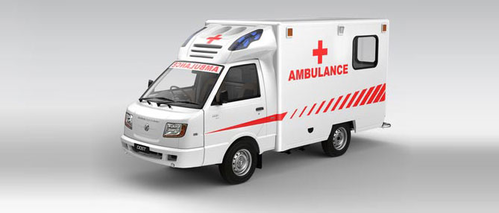
a vehicle with medical equipment and staff that takes sick or injured people to hospital
The ambulance arrived ten minutes after the call.
कॉल के दस मिनट बाद एम्बुलेंस पहुँची।
She was taken by ambulance to the nearest emergency department.
समानार्थीmedical transportemergency vehicleविलोमpersonal vehicleबेहोश, अचेत
not awake and unable to respond to people or things around you because of injury or illness
The man was found unconscious at the scene of the accident.
दुर्घटना स्थल पर वह आदमी बेहोश पाया गया।
Place an unconscious patient who is breathing in the recovery position.
समानार्थीinsensibleout coldsenselesscomatosestunnedblacked outविलोमconsciousawarealertsensibleश्वसन मार्ग, वायुमार्ग
the passage from the nose and mouth to the lungs through which air moves
The first priority is to keep the airway open.
सबसे पहली प्राथमिकता श्वसन मार्ग को खुला रखना है।
A piece of food blocking the airway can cause choking.
समानार्थीbreathing passageair passagerespiratory tractविलोमblockageobstructionतीव्रग्राहिता, एनाफ़िलैक्सिस
a sudden, severe, life-threatening allergic reaction that affects breathing and blood pressure
Anaphylaxis is treated immediately with adrenaline injected into the thigh.
एनाफ़िलैक्सिस का तुरंत जाँघ में एड्रेनालिन के इंजेक्शन से उपचार किया जाता है।
She developed anaphylaxis a few minutes after eating peanuts.
समानार्थीallergic shockhypersensitivity reactionविलोमallergy resistanceimmune toleranceहृदय-फुफ्फुसीय पुनर्जीवन, सीपीआर
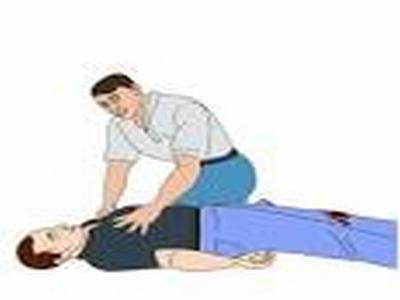
cardiopulmonary resuscitation: emergency chest compressions and rescue breaths that keep blood and oxygen flowing after the heart stops
Start CPR immediately if the patient is not breathing normally.
यदि मरीज़ सामान्य रूप से साँस नहीं ले रहा हो, तो तुरंत CPR शुरू करें।
All nurses and doctors in the hospital are trained to perform CPR.
समानार्थीcardiopulmonary resuscitationlife supportresuscitationविलोमdeathcessation of lifeडीफ़िब्रिलेटर, हृदय शॉक मशीन
a machine that gives an electric shock to the heart to restore a normal rhythm
The defibrillator delivered a shock and his heart rhythm returned.
डीफ़िब्रिलेटर ने झटका दिया और उसके हृदय की लय लौट आई।
Automated defibrillators are now available in airports and shopping malls.
समानार्थीAEDcardioverter-defibrillatorविलोमNoneरक्तस्राव, हेमरेज
heavy bleeding from a damaged blood vessel, inside or outside the body
The CT scan showed a hemorrhage inside the brain.
सीटी स्कैन में मस्तिष्क के अंदर रक्तस्राव दिखाई दिया।
Massive hemorrhage after an accident requires urgent blood transfusion.
समानार्थीbleedingeffusionblood lossविलोमcoagulationclottinghemostasisइंटुबेशन, श्वासनली में नलिका डालना
placing a tube through the mouth or nose into the windpipe to help a patient breathe
Intubation was needed because she could not breathe on her own.
इंटुबेशन ज़रूरी था क्योंकि वह अपने आप साँस नहीं ले पा रही थी।
The anesthesiologist performed the intubation just before the surgery began.
समानार्थीendotracheal intubationtracheal intubationविलोमextubationविषाक्तता, विषाक्तन
illness caused by swallowing, breathing in or touching a harmful substance
The child was admitted with poisoning after drinking a cleaning product.
सफ़ाई का एक उत्पाद पीने के बाद बच्चे को विषाक्तता के कारण भर्ती किया गया।
Methanol poisoning from homemade alcohol can cause blindness.
समानार्थीintoxicationcontaminationvitiationविलोमcureantidotedetoxificationपुनर्जीवन, पुनर्जीवन उपचार
emergency treatment to restore breathing, heartbeat and circulation in a critically ill patient
The resuscitation lasted thirty minutes before his pulse returned.
पुनर्जीवन प्रक्रिया तीस मिनट तक चली, तब जाकर उसकी नाड़ी लौटी।
Severely injured patients are taken straight to the resuscitation room.
समानार्थीrevivalreanimationrecoveryrevivificationविलोमdeathdemiseexpirationसेप्सिस, पूतिता
a life-threatening reaction of the body to an infection, which can damage organs
Sepsis must be treated with antibiotics within the first hour.
सेप्सिस का इलाज पहले घंटे के भीतर एंटीबायोटिक दवाओं से किया जाना चाहिए।
Elderly patients with pneumonia are at risk of sepsis.
समानार्थीblood poisoningsepticemiaविलोमhealthwell-beingपैरामेडिक, आपातकालीन चिकित्सा कर्मी
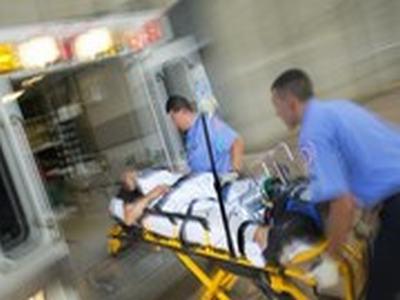
a trained health worker who gives emergency care to patients before and during transport to hospital
Paramedics gave him oxygen on the way to hospital.
पैरामेडिकों ने अस्पताल जाते समय रास्ते में उसे ऑक्सीजन दी।
The paramedic handed over the patient's details to the emergency team.
समानार्थीemergency medical technicianEMTfirst responderविलोमpatientcasualtyट्राइएज, आपातकालीन मरीज़ वर्गीकरण
the process of sorting patients by how urgently they need treatment
The triage nurse classified the patient as urgent.
ट्राइएज नर्स ने मरीज़ को तत्काल उपचार की श्रेणी में रखा।
In a mass casualty event, triage decides who is treated first.
समानार्थीprioritizationsortingscreeningविलोमneglectignoreप्राथमिक चिकित्सा, प्राथमिक उपचार
simple emergency treatment given to an injured or sick person before professional medical help arrives
She gave first aid to the injured driver until the ambulance arrived.
एम्बुलेंस आने तक उसने घायल चालक को प्राथमिक चिकित्सा दी।
Every workplace should have a fully stocked first aid kit.
समानार्थीEmergency treatmentImmediate careMedical assistanceविलोमNeglectDisregardAbandonmentगंभीर स्थिति, नाज़ुक हालत
a very serious state of health in which the patient may die without intensive treatment
Two victims of the crash are in critical condition.
दुर्घटना के दो पीड़ित गंभीर स्थिति में हैं।
Patients in critical condition are moved to the ICU.
समानार्थीgraveseriouslife-threateningunstableविलोमstableimprovingदौरा, मिर्गी का दौरा, आक्षेप
a sudden attack of uncontrolled electrical activity in the brain, often causing shaking and loss of consciousness
The child had a seizure caused by a high fever.
बच्चे को तेज़ बुखार के कारण दौरा पड़ा।
Protect the patient's head and do not hold them down during a seizure.
आघात, चोट, ट्रॉमा
physical injury to the body caused by an outside force, such as a road accident or a fall
Road traffic accidents are the main cause of major trauma.
सड़क यातायात दुर्घटनाएँ गंभीर आघात का मुख्य कारण हैं।
Patients with head trauma are monitored closely for 24 hours.